

Browse a curated selection of Malaria Consortium publications and perspectives for a deeper insight into the thematic areas and projects that are the focus of our presented research at this year's conference.
Follow us on X @FightingMalaria to hear the latest from the event, as well as our LinkedIn page, to stay updated with our latest publications and research. Visit the ASTMH website for more on this year's meeting.
-
Innovations in chemoprevention
Innovations in chemoprevention are accelerating the pathway to elimination. New tools, such as malaria vaccines, next-generation nets and new drugs are strengthening the existing malaria prevention toolkit; while approaches like integration are enhancing equitable access to services. These innovations have enormous potential, provided they are meaningfully harnessed and deployed strategically with partners to optimise health outcomes.
Publications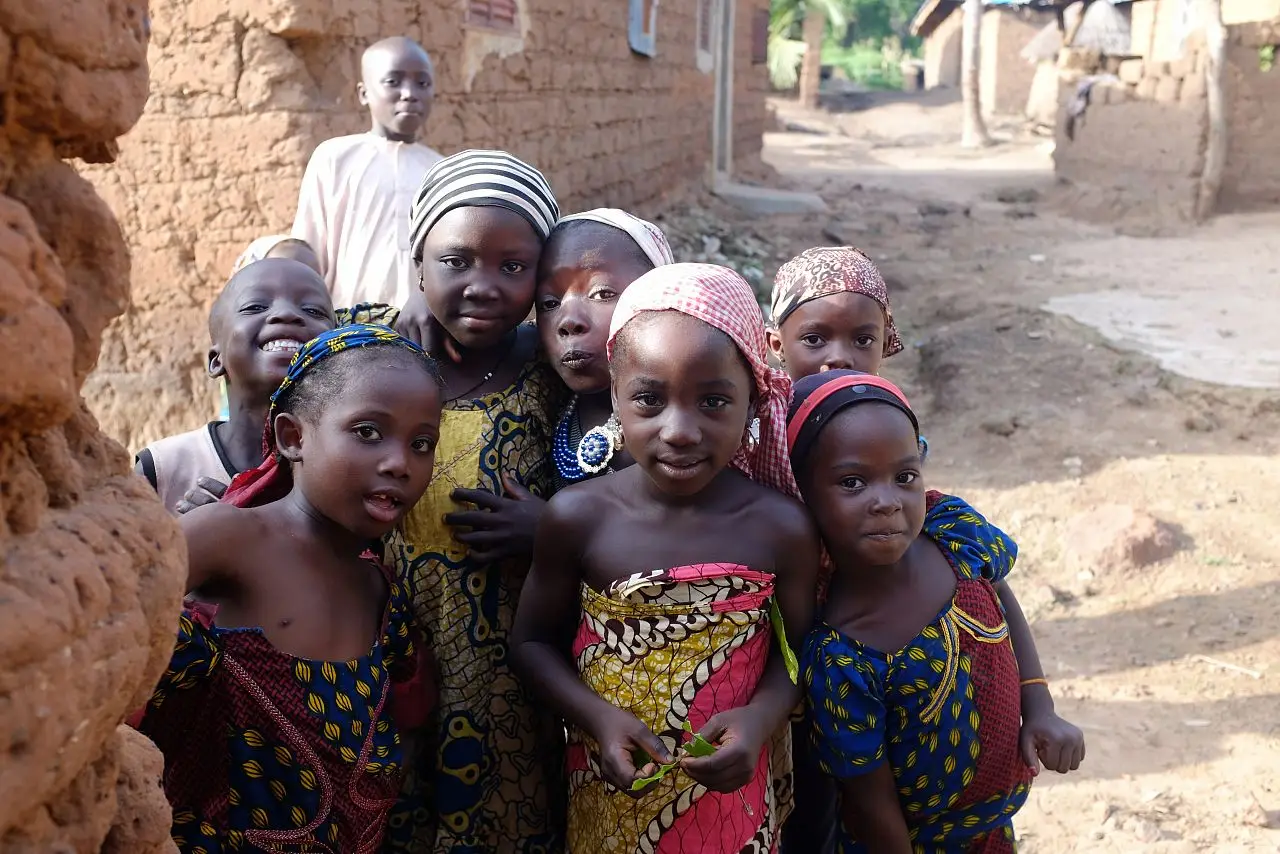
Reducing malaria morbidity in infants through perennial malaria chemoprevention in Nigeria
Publications
Barriers to uptake and implementation of malaria chemoprevention in school-aged children: A stakeholder engagement meeting report
Publications
Improving understanding of children's immunity to malaria in seasonal malaria chemoprevention areas
Publications
From efficacy to effectiveness: a comprehensive framework for monitoring, evaluating and optimizing SMC programmes
Publications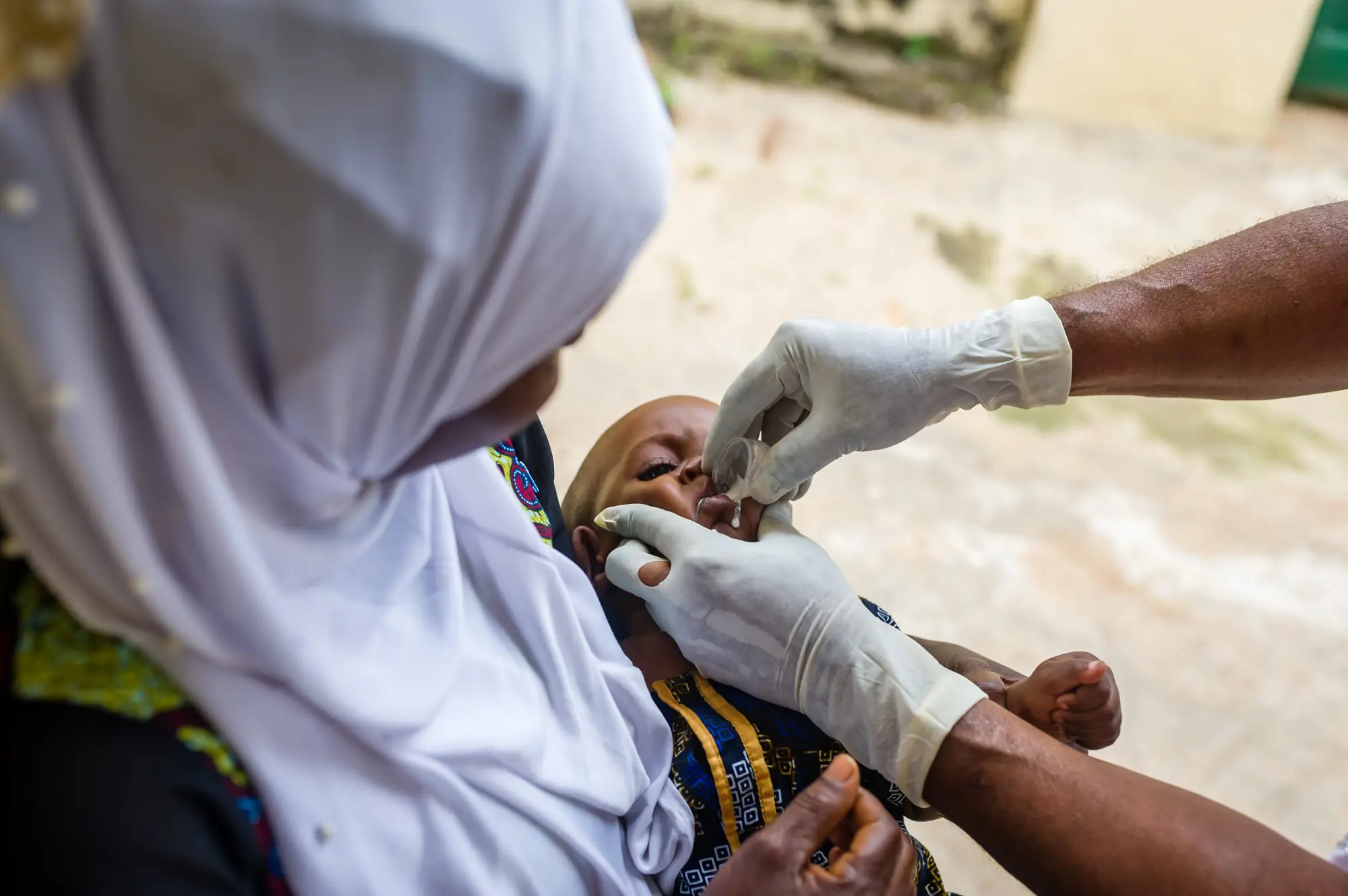
Sulfadoxine-pyrimethamine resistance study
-
Resilient health systems
Building resilience to external shocks, like pandemics and severe weather events, is critical to ensuring progress is sustained. We develop decision tools and real-time surveillance that better equip national programmes to target resources, seeking ways to integrate climate intelligence, digital tools and adaptive approaches that help health systems respond to evolving risks. We can build on our experience deploying digital surveillance and data systems to accelerate how technology strengthens health delivery.
Publications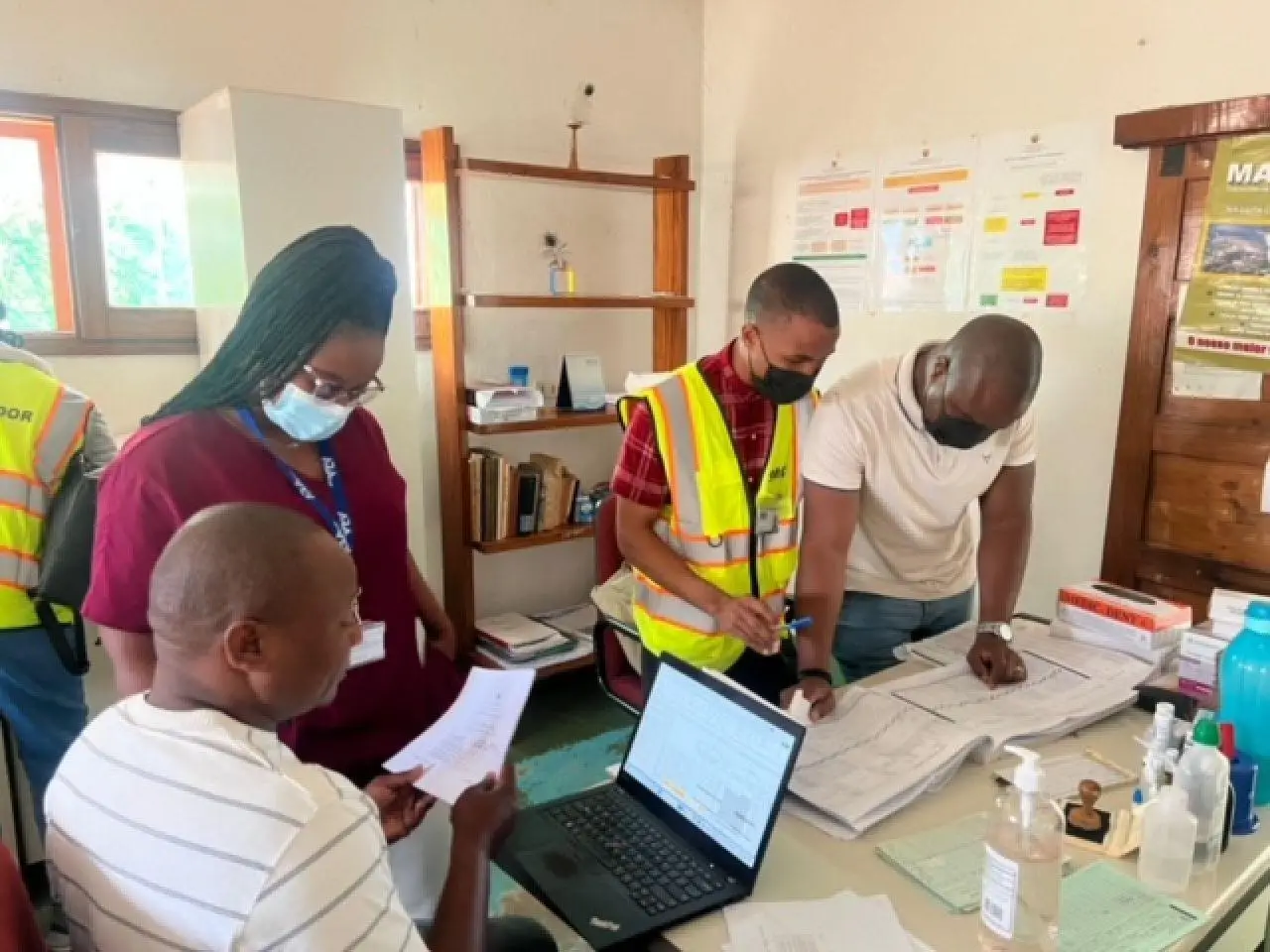
Advancing local decisions in Mozambique
Publications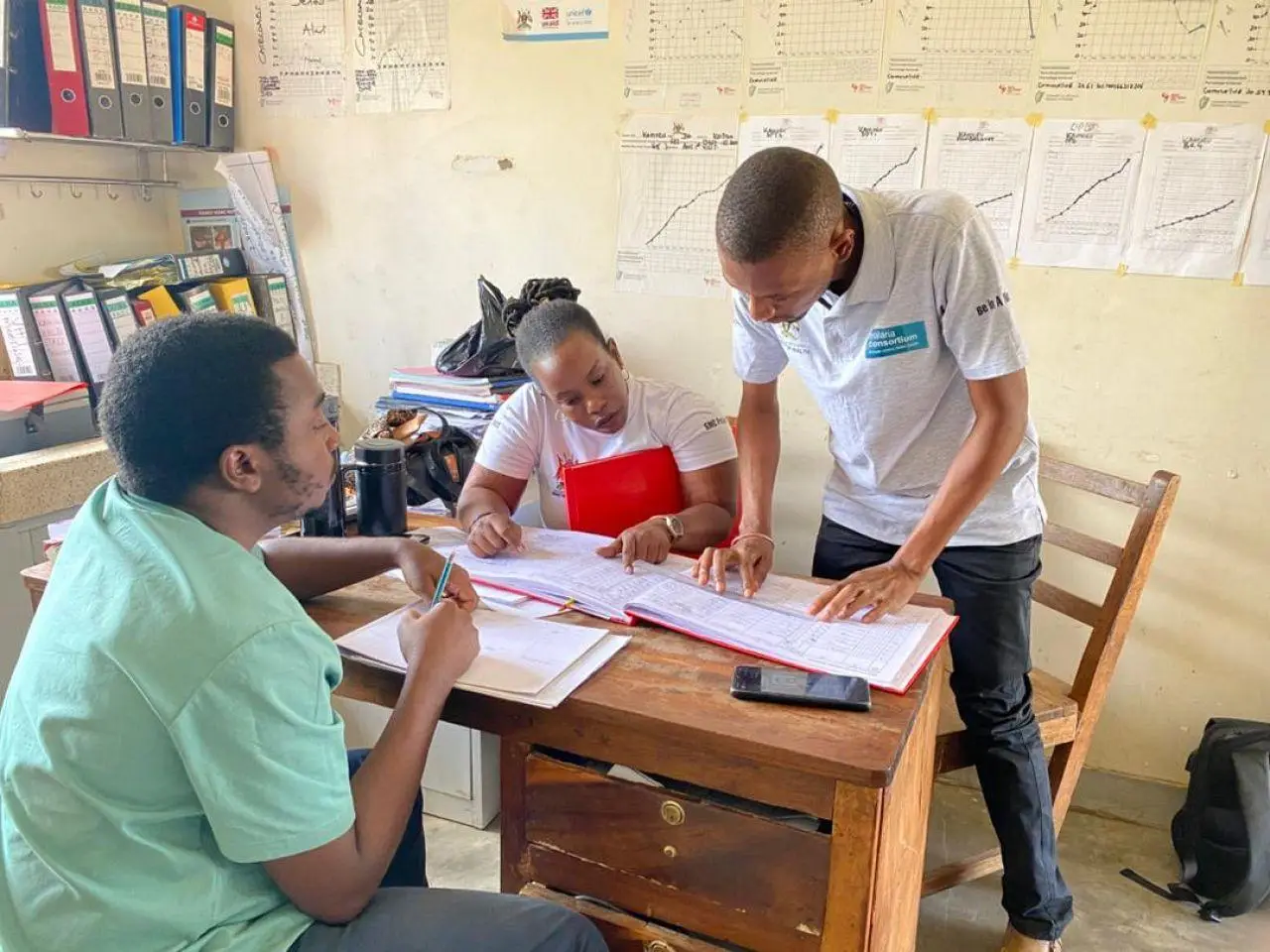
Advancing local decisions in Uganda
Publications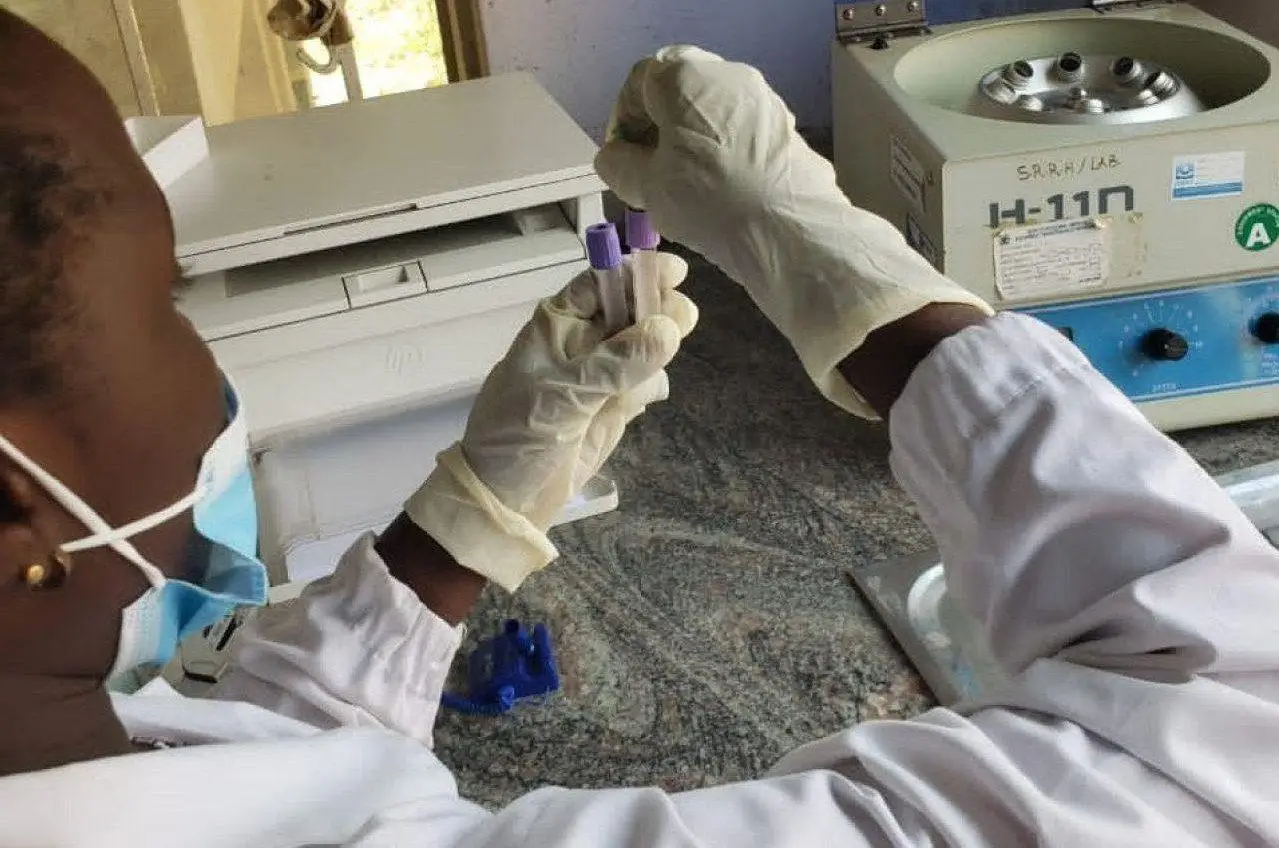
Malaria molecular surveillance project
Publications
Reflections on the COVID-19 pandemic
Publications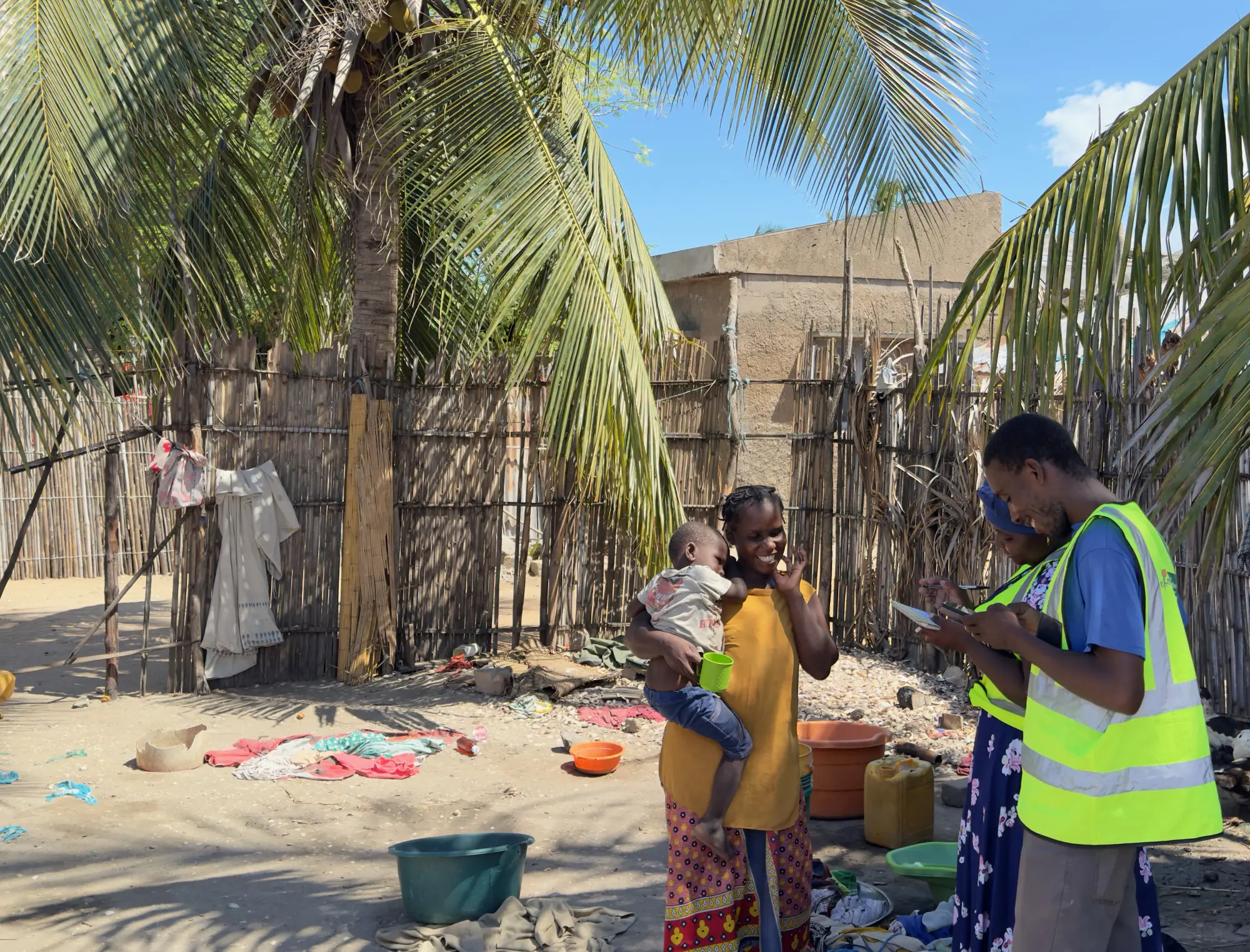
Challenges and opportunities in seasonal malaria campaign digitalisation
Publications
Strengthening national preparedness against arboviruses in Uganda: Advancing health sector resilience to tackle future public health threats
-
Community-based approaches, locally led solutionsLocally led, community-based approaches ensure that health services are embedded in existing infrastructures, integrate community perspectives and contributions, and target populations with solutions that address their specific needs. Our research and programmes actively engage and are often co-led by local actors.Publications
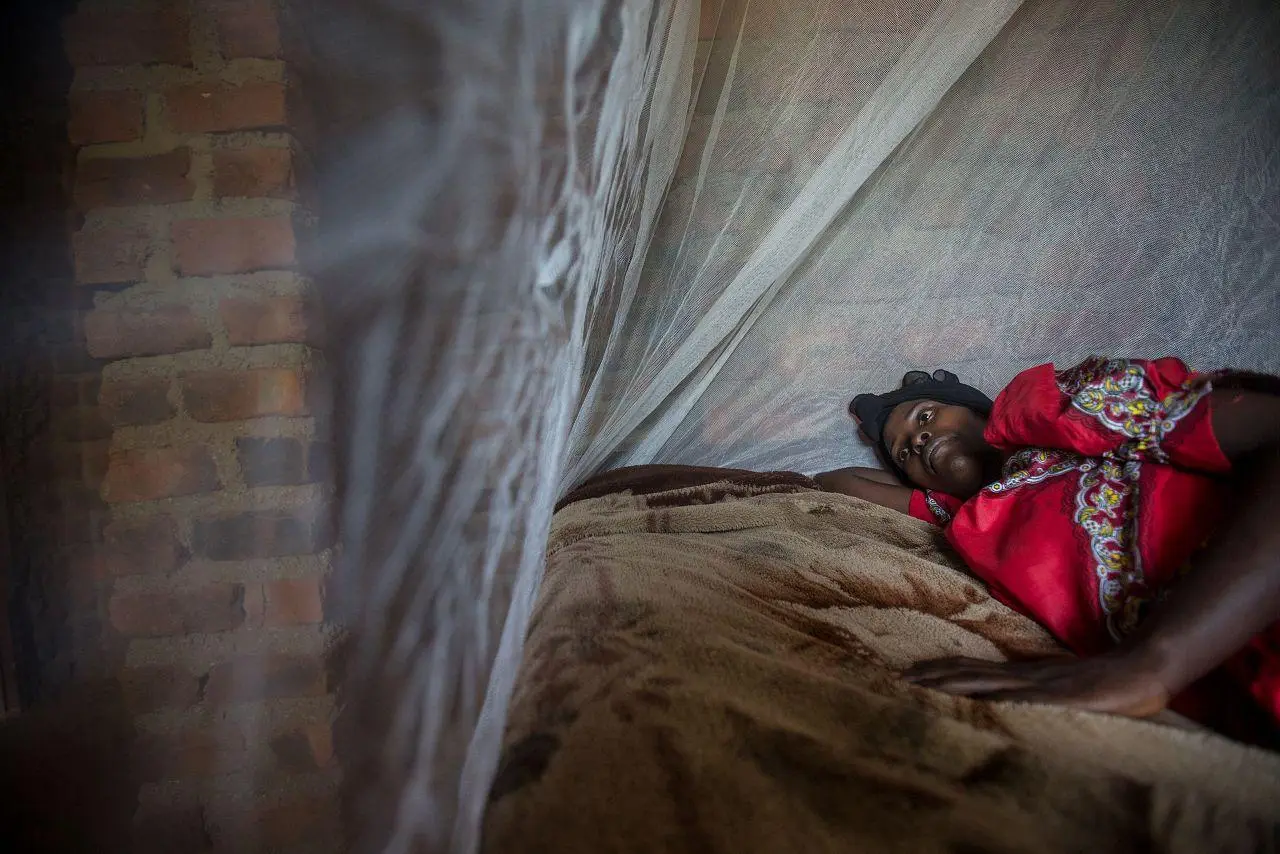
Be In A Net
Publications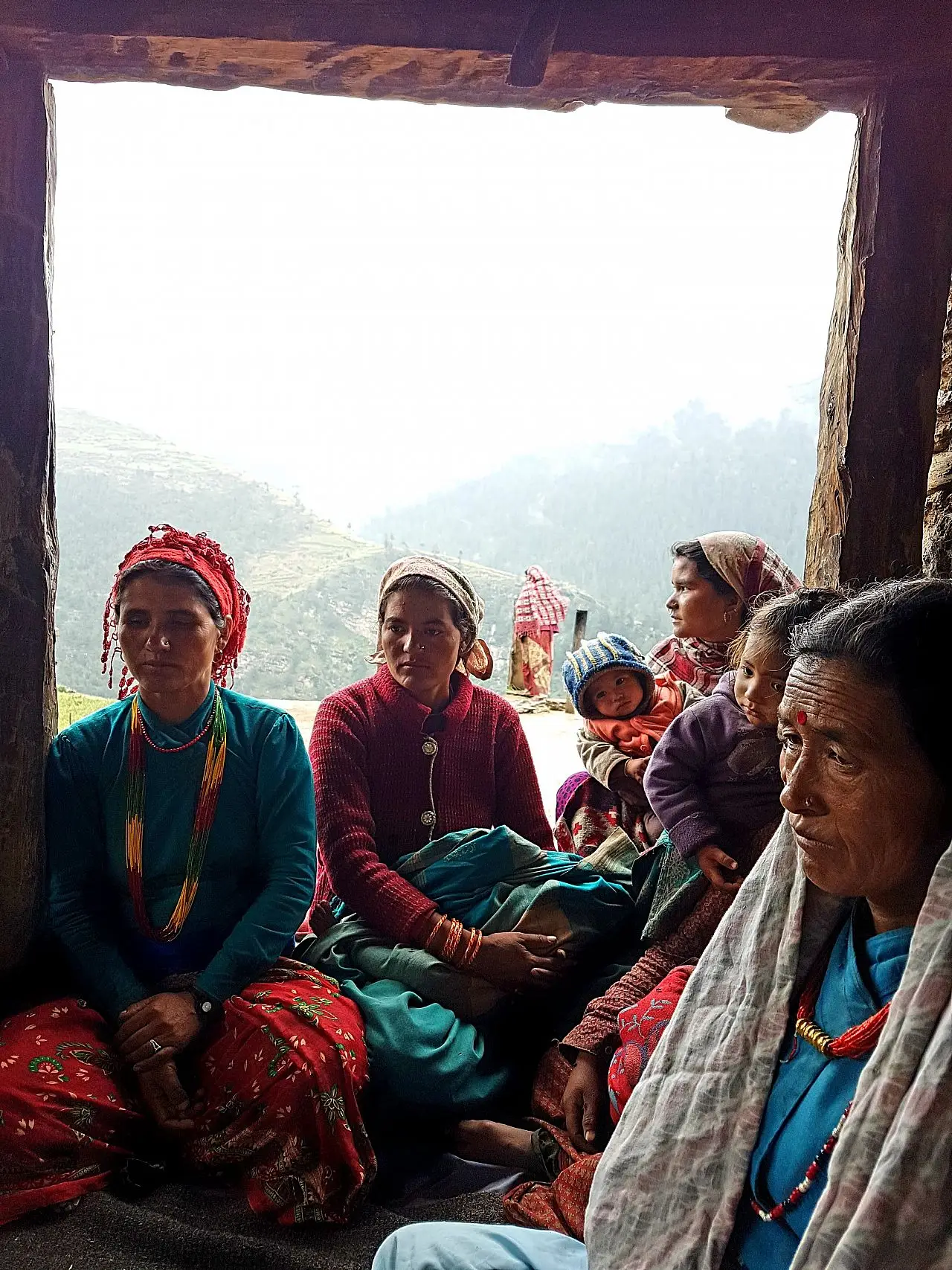
Community-led solutions to antimicrobial resistance: A One Health approach in Bangladesh and Nepal
Publications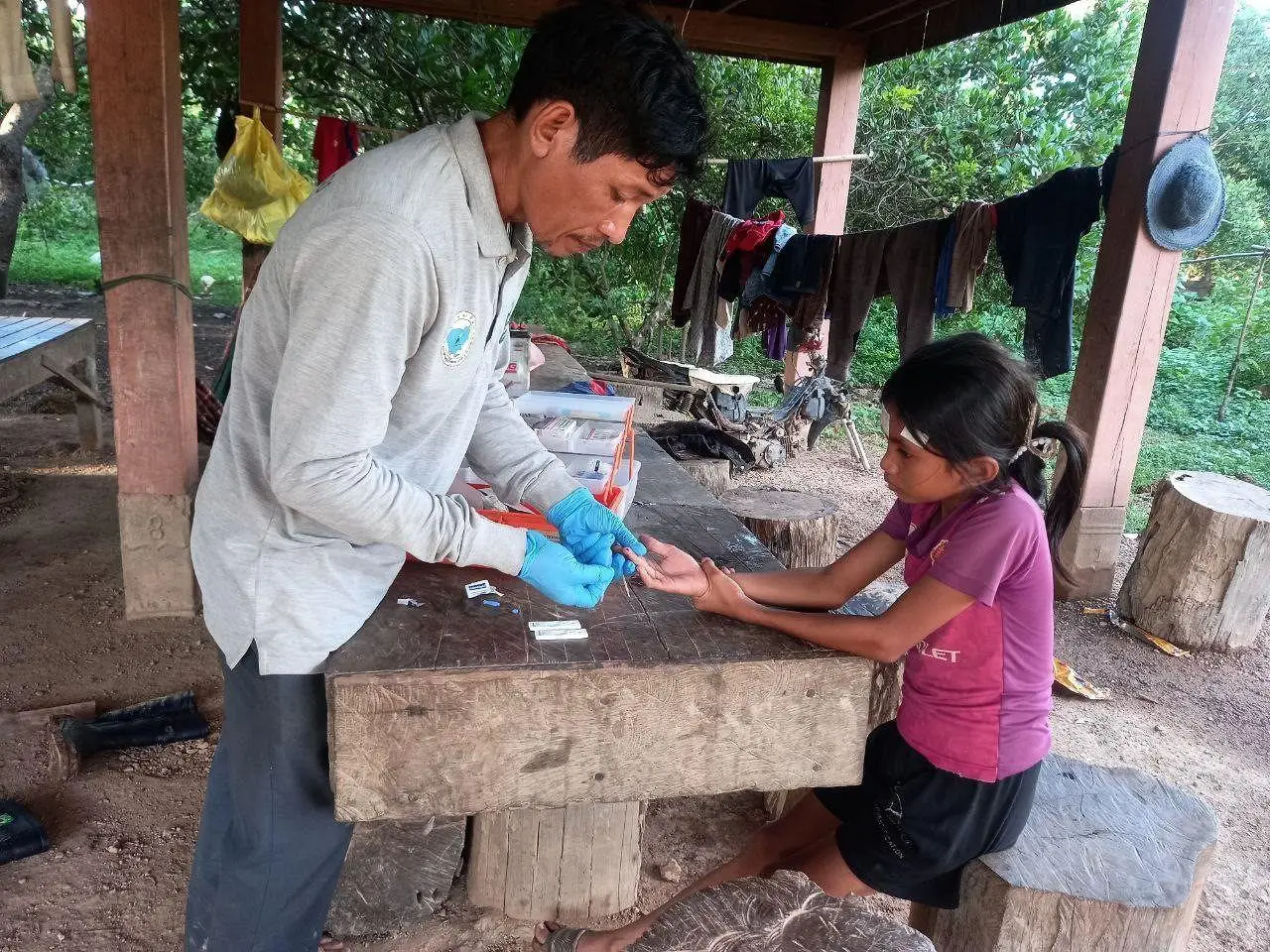
Cross-border project — RAI4E
Publications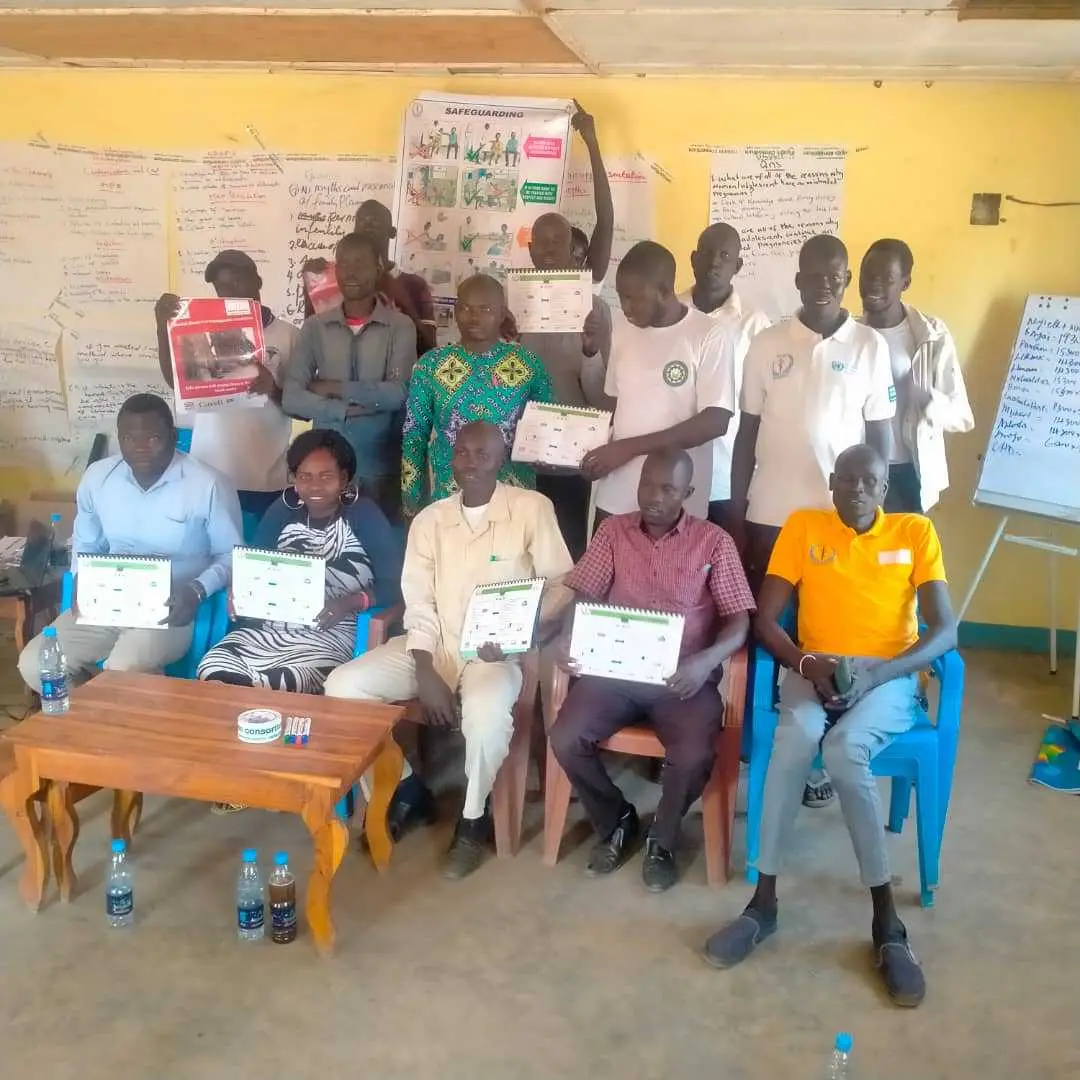
Health sector transformation project
-
Integrated delivery for child health equity
Combining experience of developing and delivering health services at scale with our research and implementation science expertise, we are using high-coverage malaria platforms (especially via our SMC programme) to identify opportunities to strengthen and scale integrated delivery approaches that link malaria prevention with immunisation and other health services. By leveraging trusted, door-to-door campaigns we can help overcome the operational challenges that often hinder uptake and vaccination coverage and are supporting data systems that enhance surveillance, accountability and coordination, ensuring no child is left behind.
Publications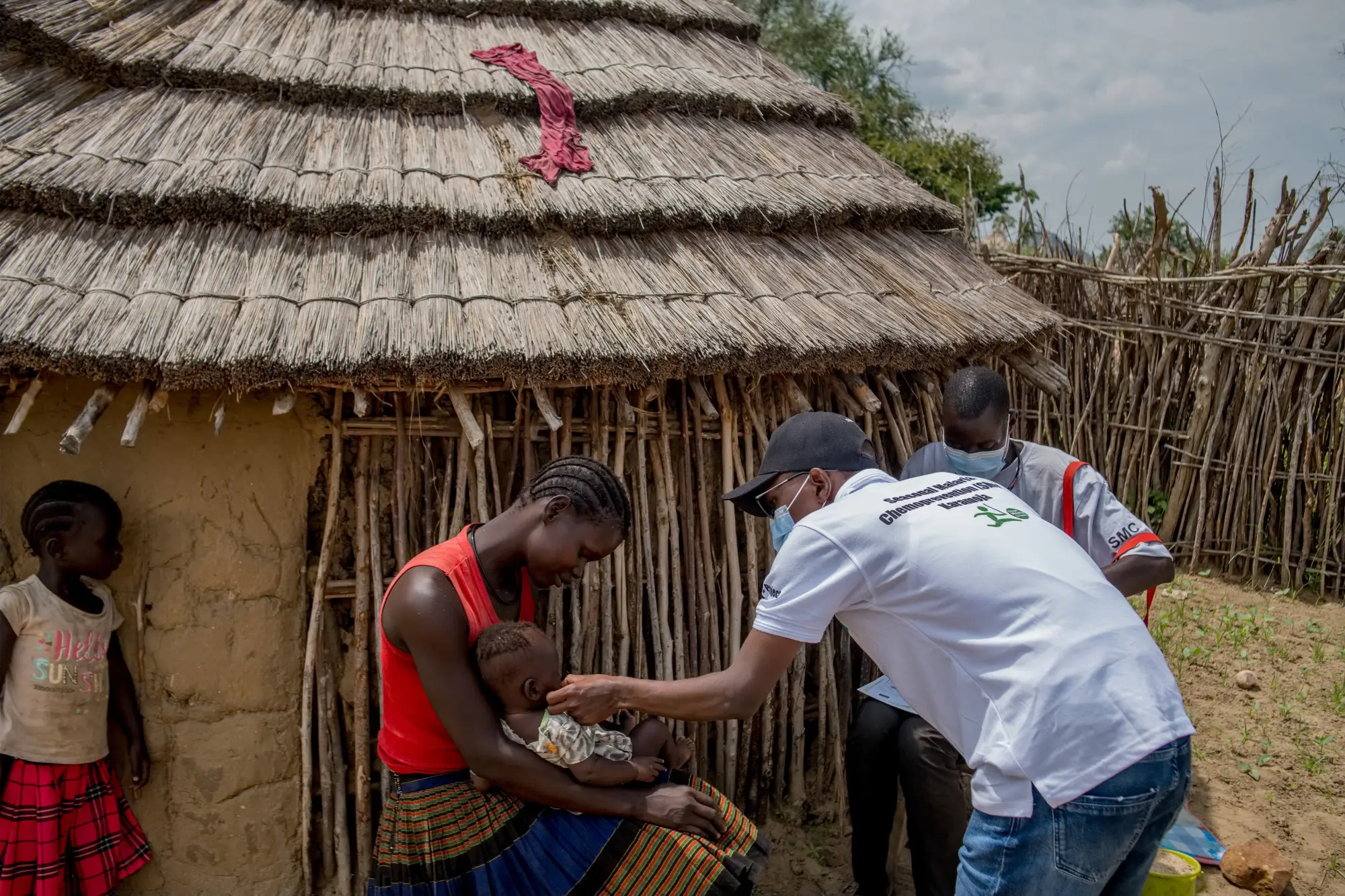
SEND — Malaria Vaccine: Strategic engagement from national level to community delivery
Publications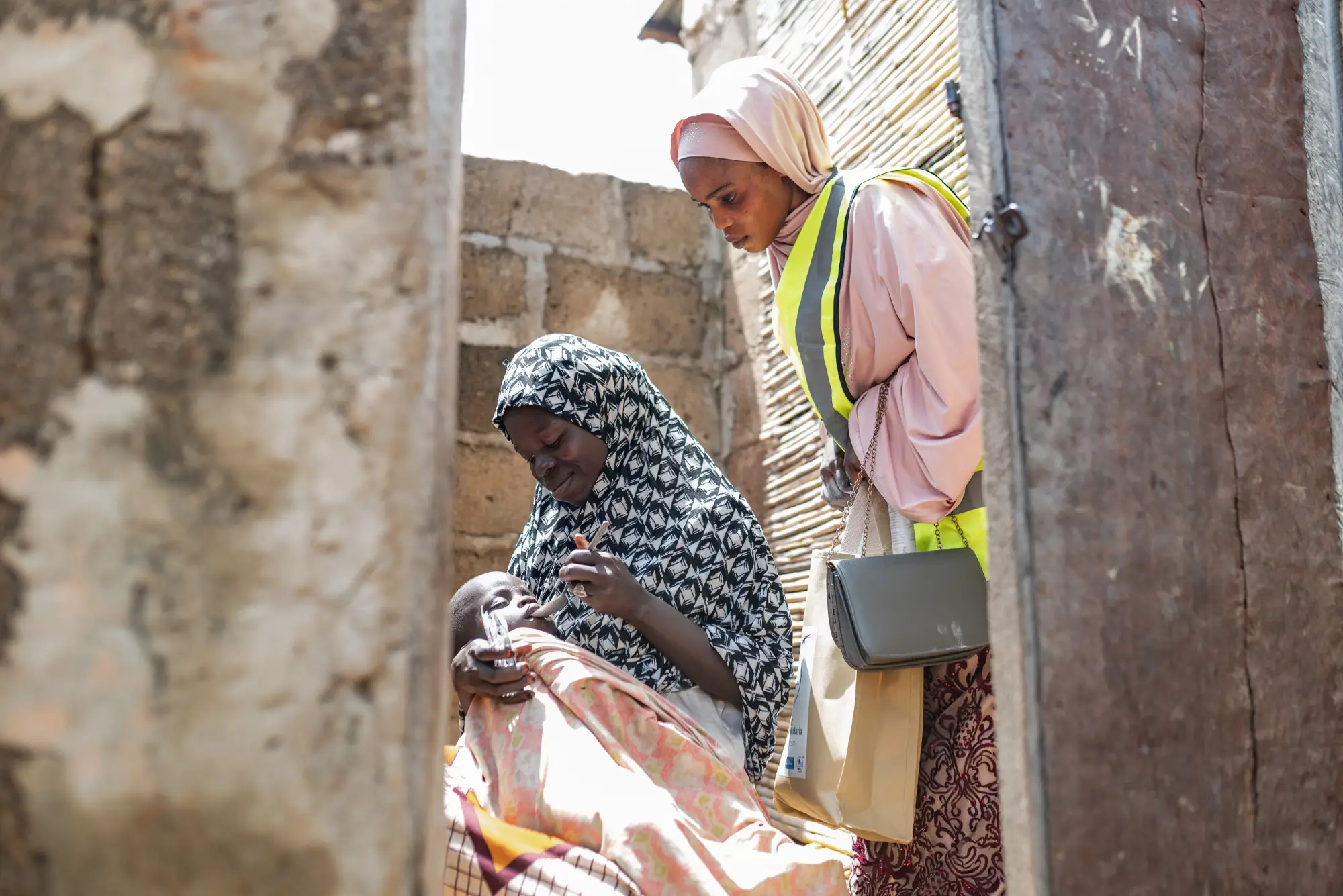
Integrated delivery of oral rehydration solution and zinc with seasonal malaria chemoprevention in Chad
Publications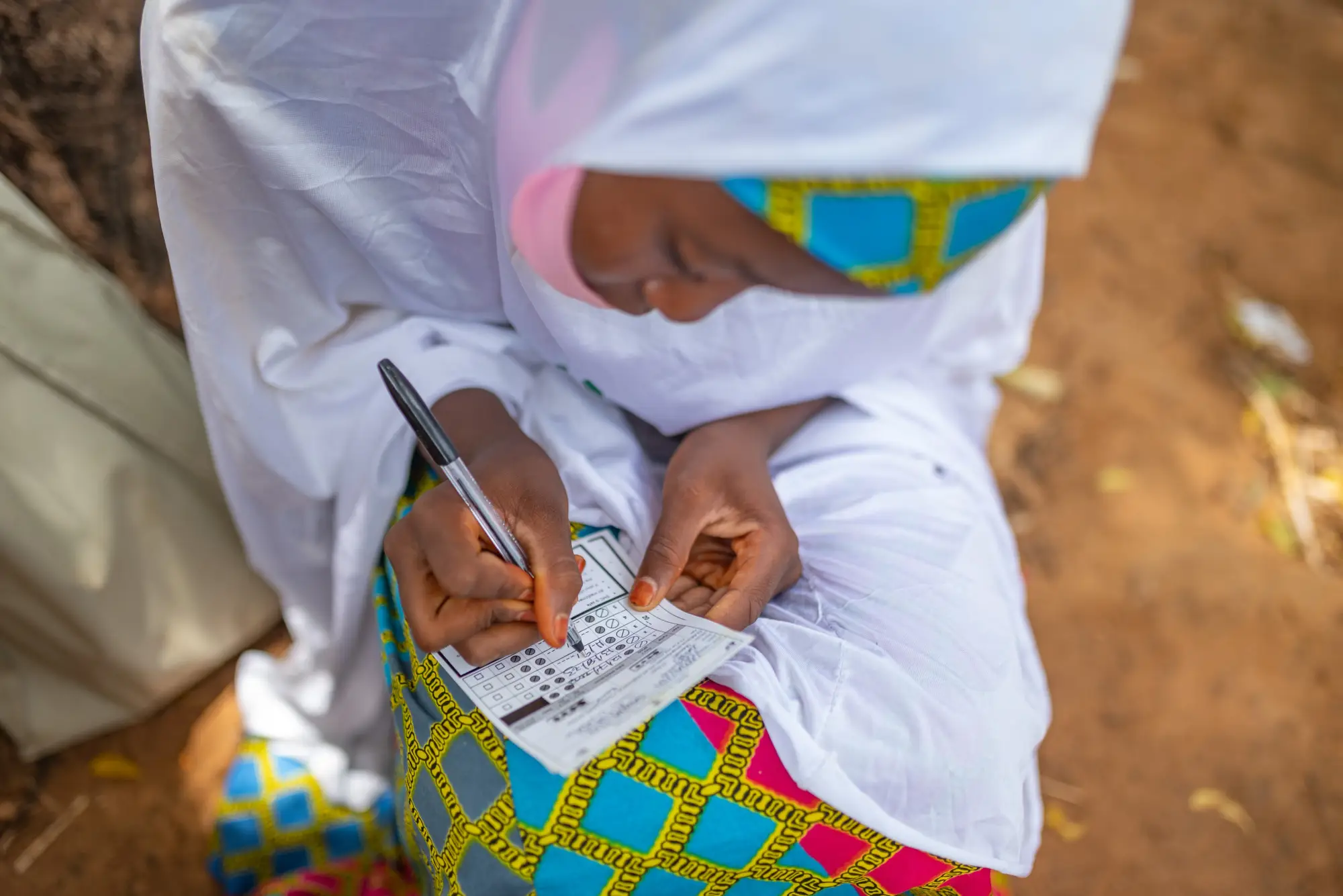
ENHANCE: Enhanced seasonal malaria vaccination in Nigeria
Publications
A cost analysis comparing seasonal malaria chemoprevention with and without vitamin A supplementation among under-5 children in Nigeria


