
Explore inspiring stories and expert insights on our Perspectives page, where you'll find blogs, thought leadership articles, in-depth Q&As, powerful photo stories and first-hand testimonials from the communities with whom we work.
If you are a journalist and would like to cover an aspect of Malaria Consortium’s work, please contact us at [email protected].
Featured perspectives


Perspectives archive
-
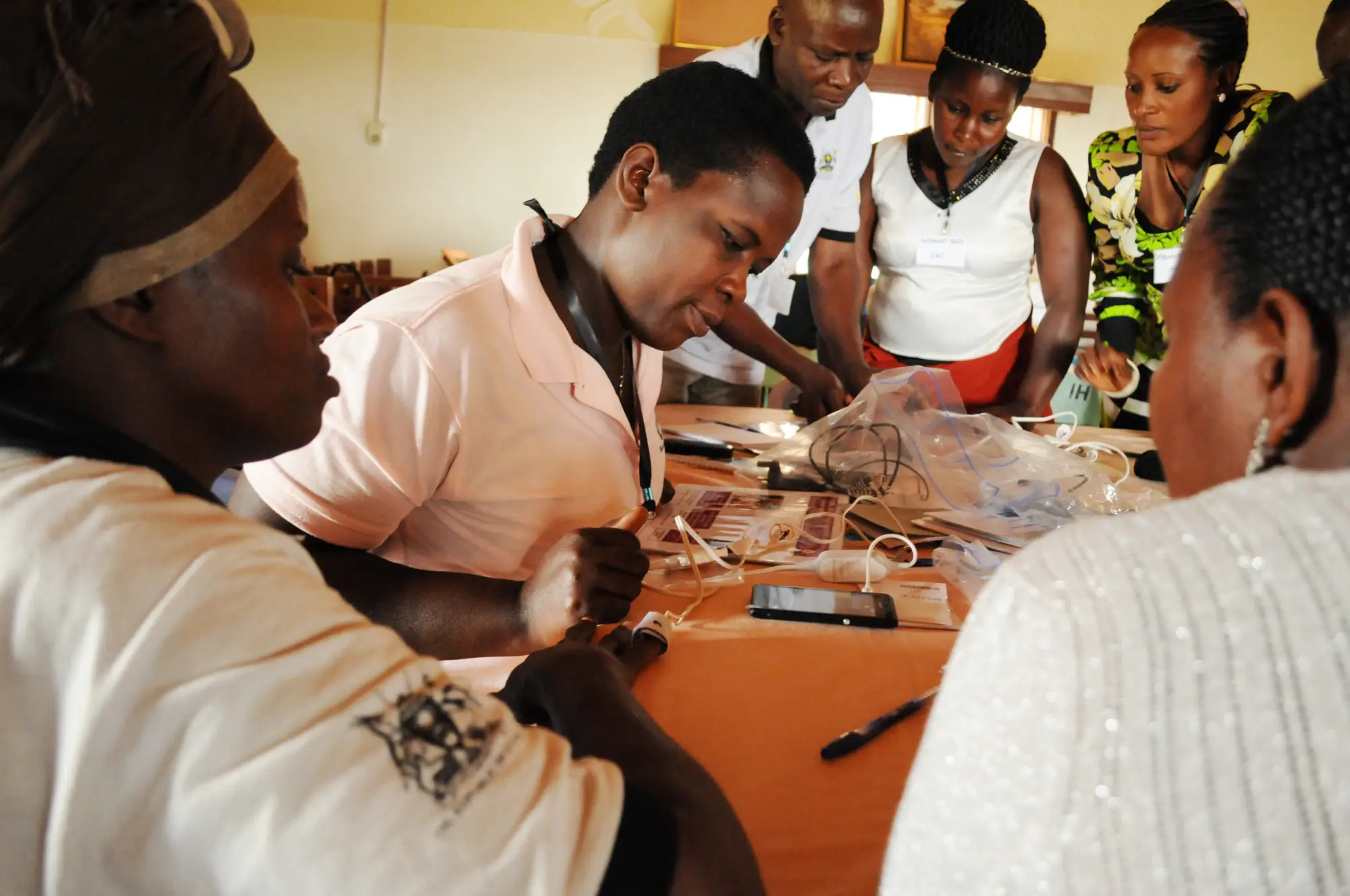
ASTMH 2022: Transforming health through innovation
In the third and final instalment of our ASTMH blog series, we explore the need to prioritise innovation in public health programming to optimise the impact of interventions and help ensure more…
-
 Blog :
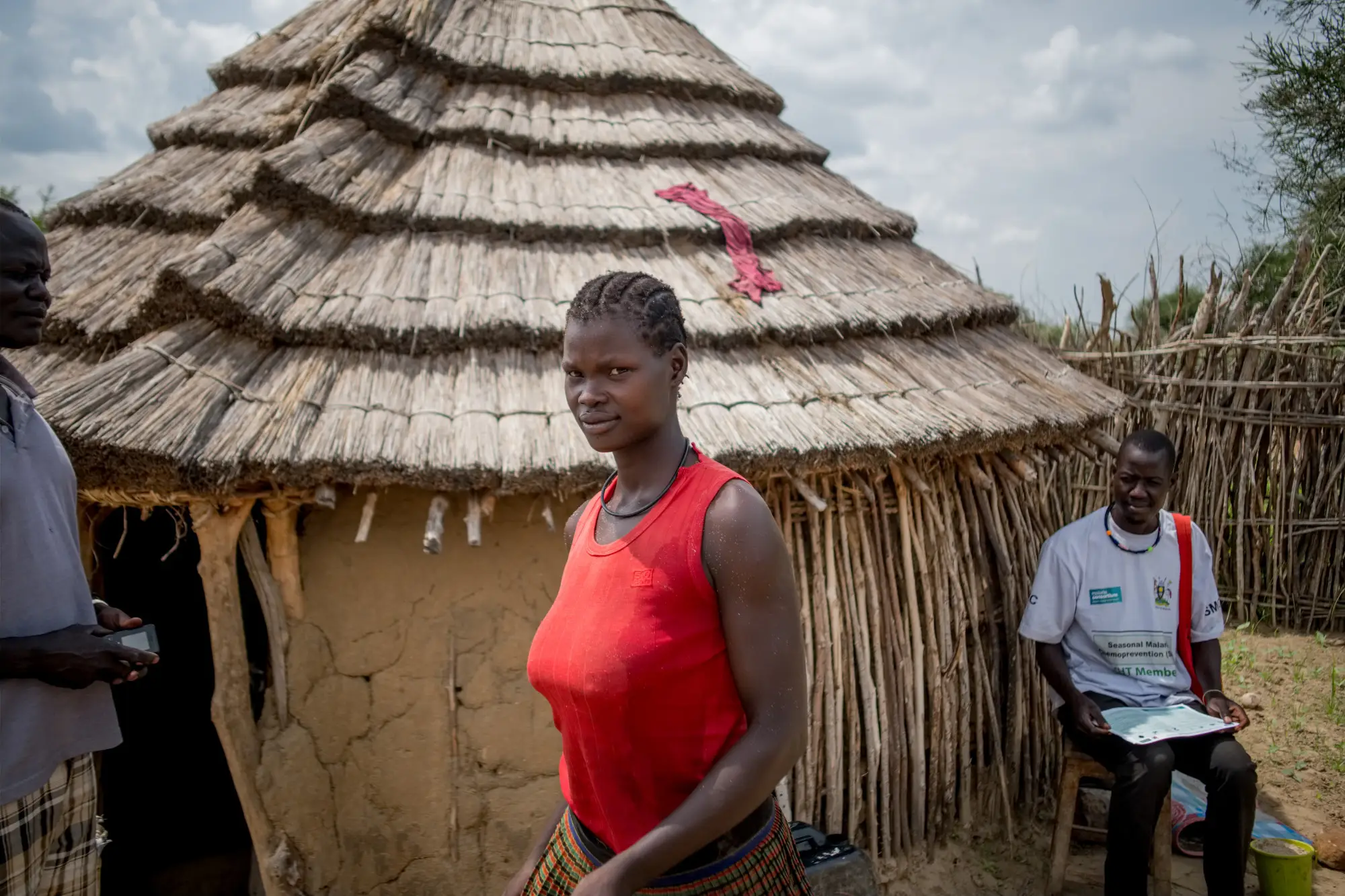
Fostering community participation and ownership of new health programmes: lessons from village health teams and SMC implementation in Karamoja, Uganda
"One who sees something good must narrate it" - Ugandan proverb In Uganda, malaria is a leading cause of death, particularly in pregnant women and children. Infections occur throughout the year in…
-
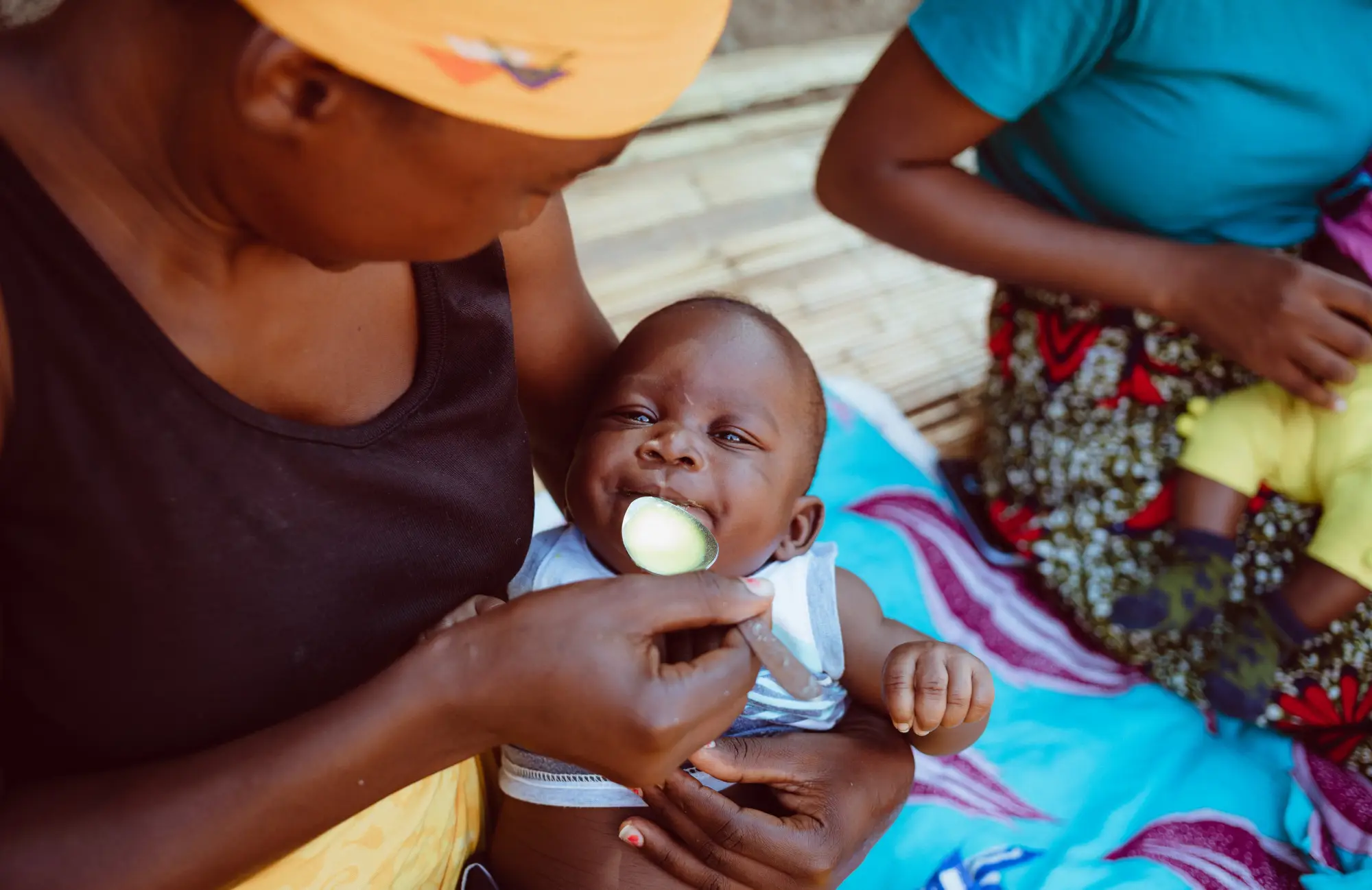
ASTMH 2022: The importance of equity and how we address it
In the second instalment of our ASTMH blog series, we outline some of Malaria Consortium's work around improving equitable access to health services and how this enables us to maximise the impact of…
-
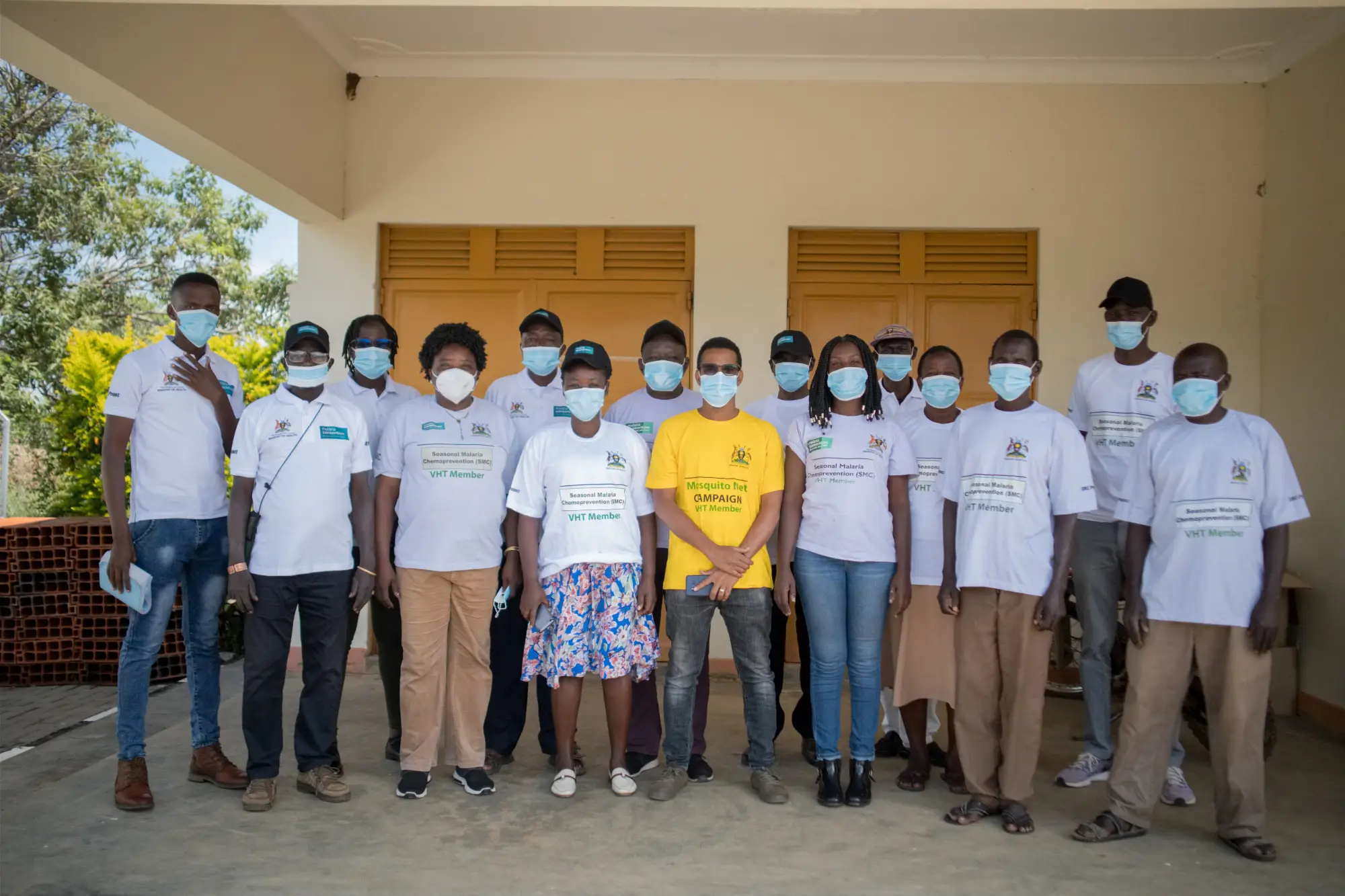
ASTMH 2022: The power of partnerships to optimise health outcomes
In the first instalment of our American Society of Tropical Medicine & Hygiene's Annual Meeting (ASTMH) series this year, we're highlighting the powerful role of partnerships in delivering…
-

Reflections of outgoing Malaria Consortium Chief Executive, Charles Nelson
As I reflect on recent visits to our country teams and programme activities in Uganda, Ethiopia and Nigeria - my last visits in my role as Chief Executive of Malaria Consortium - it seems to me to…
-
 Blog :
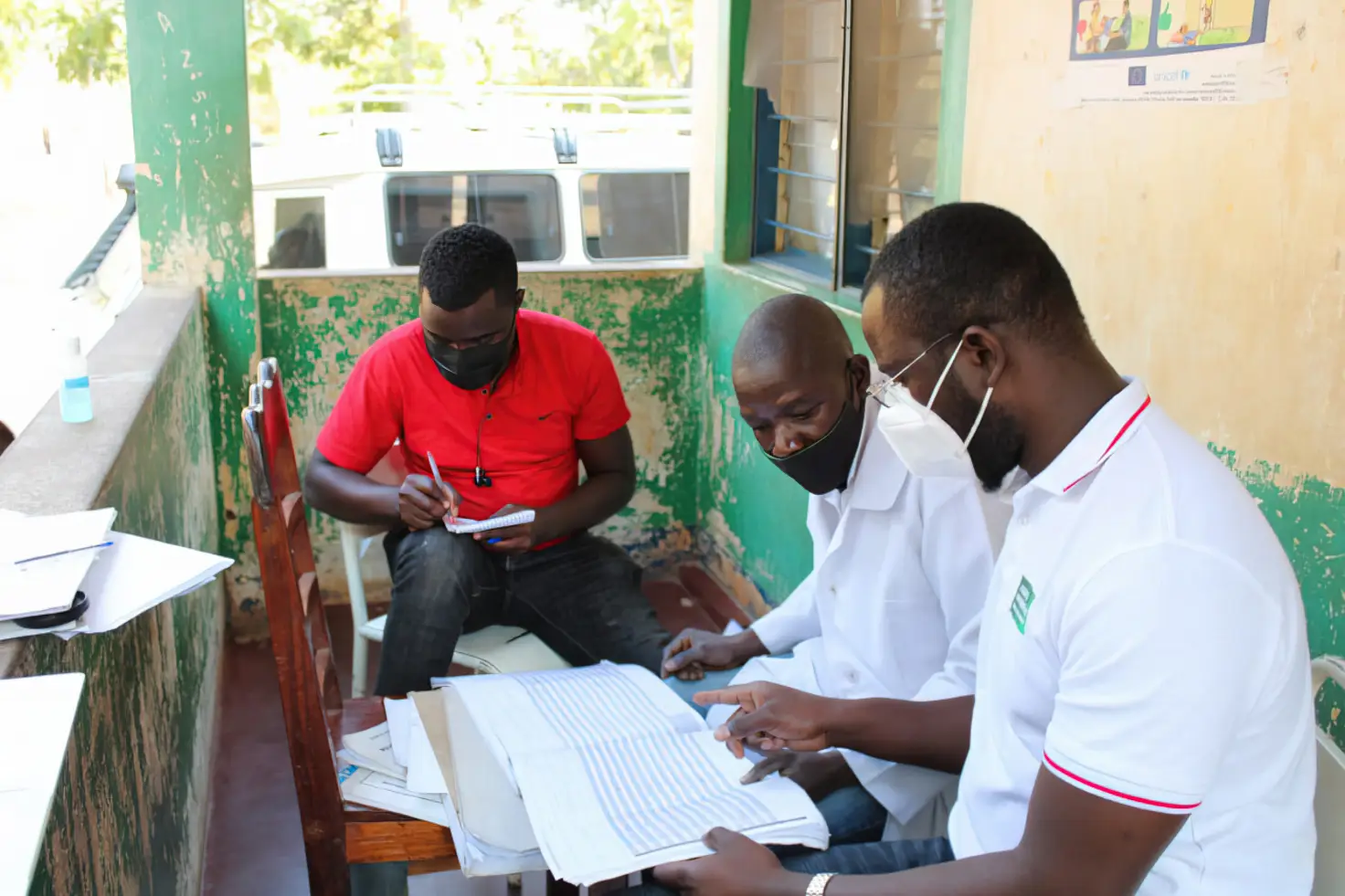
Malaria surveillance in Mozambique
In Mozambique, malaria is the leading cause of morbidity and mortality, responsible for 10 million infections and over 23,000 deaths in 2020, with children under five and pregnant women most at risk.…
-
 Photo story :
Photo story: Reducing childhood morbidity and mortality caused by common illness in Uganda
In Kole - a district in northern Uganda - village health teams (VHTs) provide essential health services primarily for children under five. Malaria is a leading cause of death across the country, with…
-
 Blog :
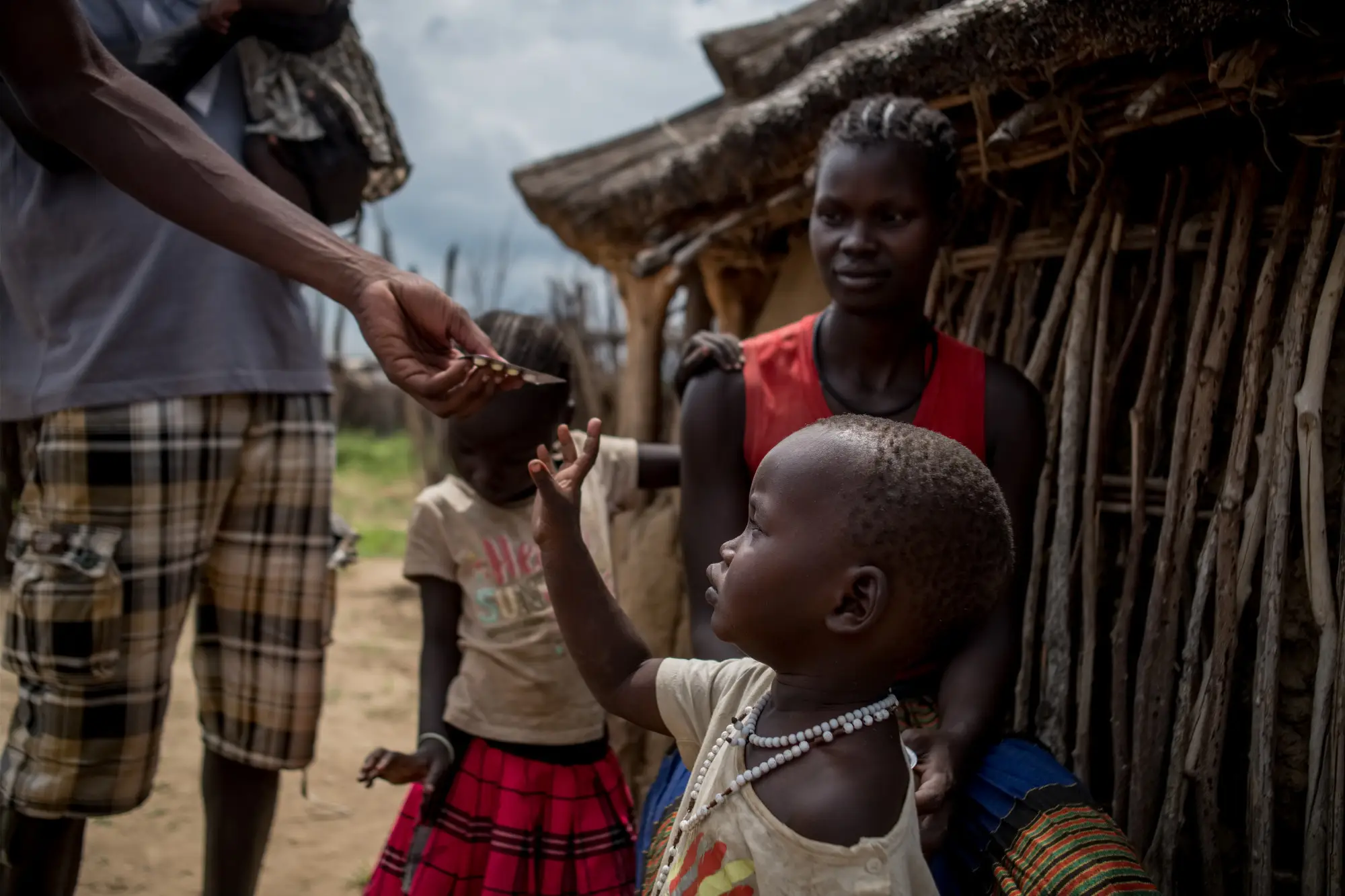
Digital tools to deliver iCCM in Uganda: Real-time data for decision-making at all levels of the health system
Integrated community case management (iCCM) is a proven community-led intervention to effectively manage common childhood illnesses including malaria, pneumonia and diarrhoea, for children under five…
-
 Blog :
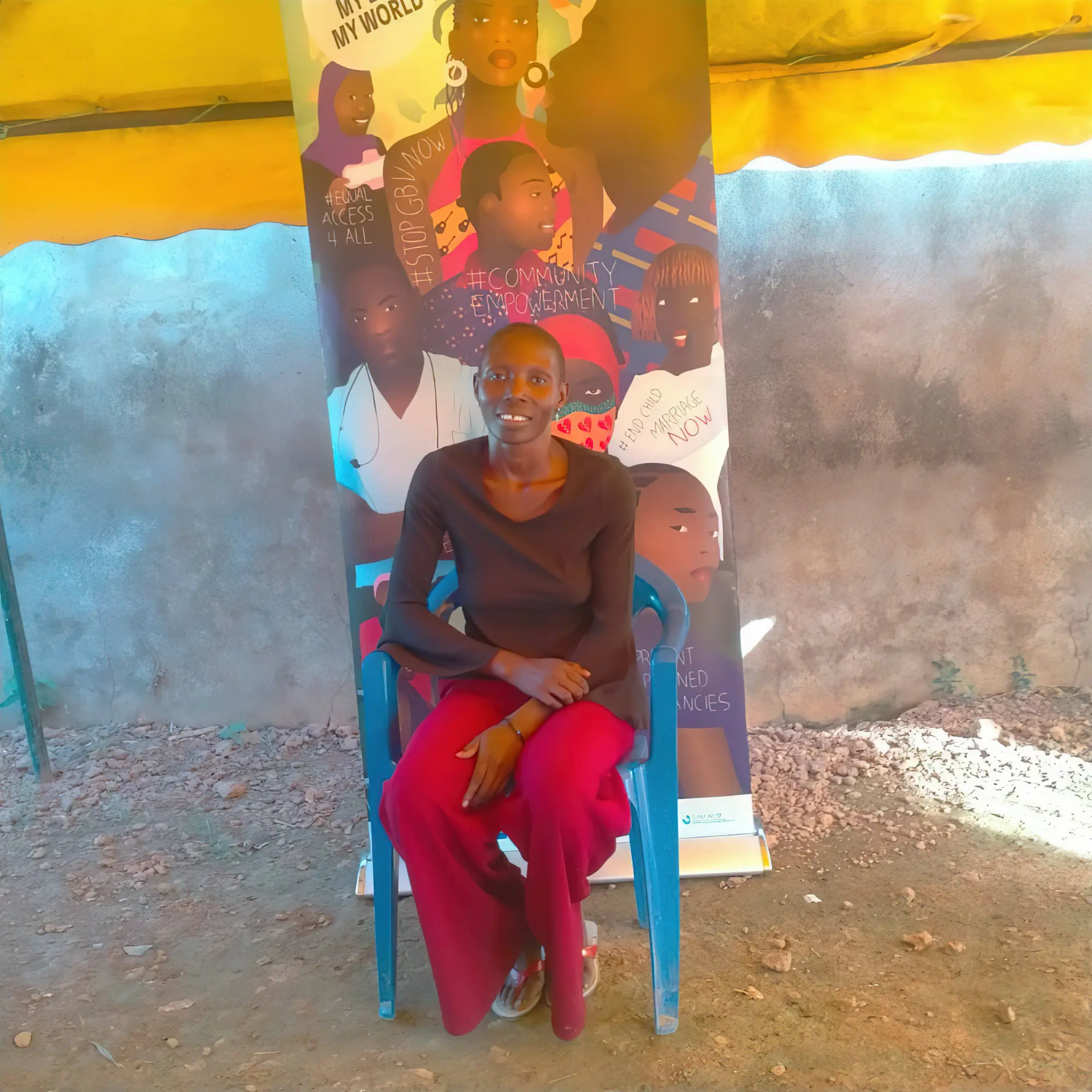
International Day of the Girl: Community-led approach to improving access to sexual health and family planning services in South Sudan
Adut is 18 years old, and a student living in Naivasha. She has been helping to inform young people within her school and community about accessing sexual health services and spreading awareness of…
-
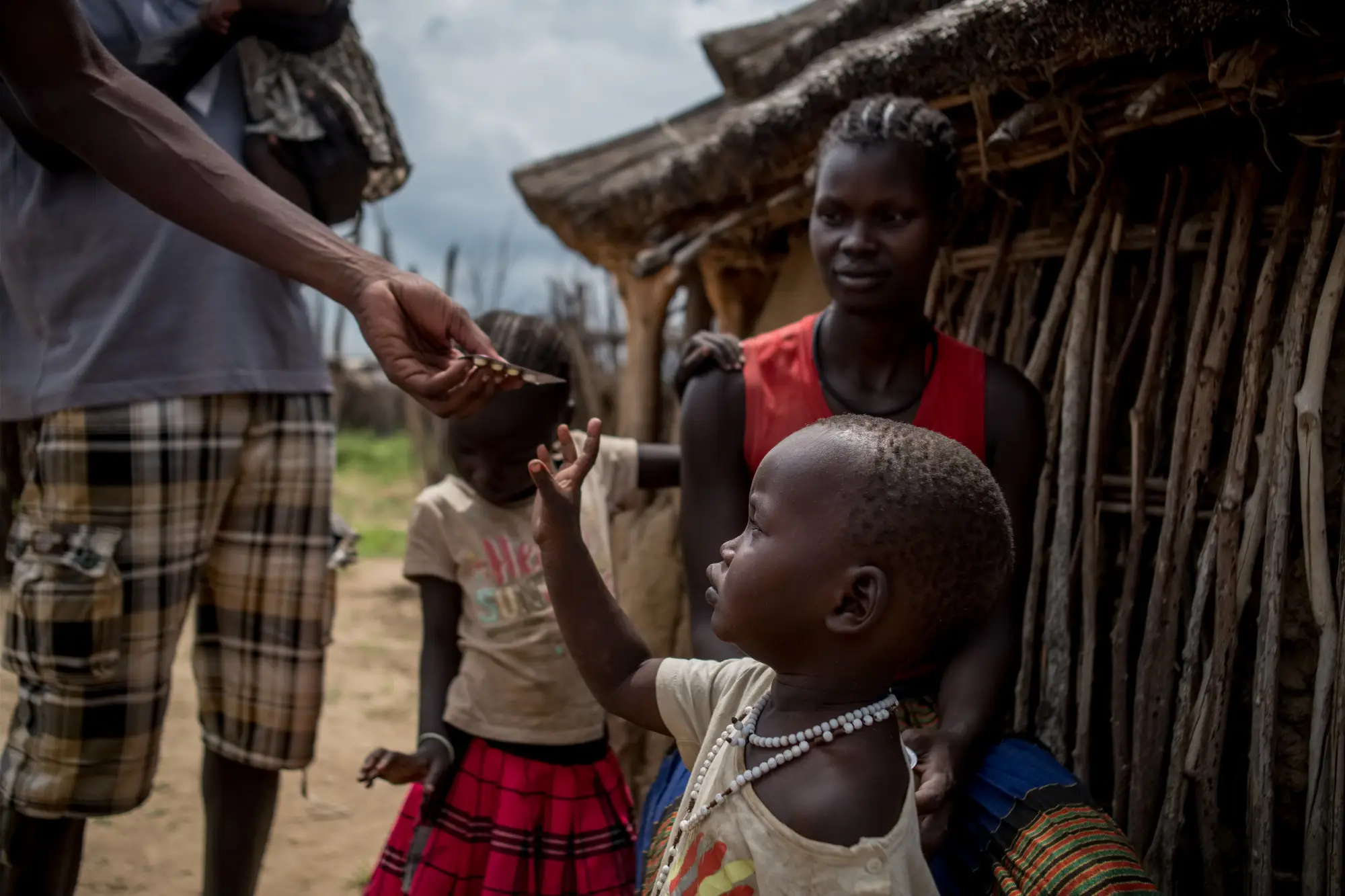
The impact of Global Fund investment in fighting malaria
The Global Fund to Fight AIDS, Tuberculosis and Malaria (Global Fund) is a critical financing mechanism that has invested more than US$55 billion over the last 20 years to fund health programmes in…
-
 Blog :
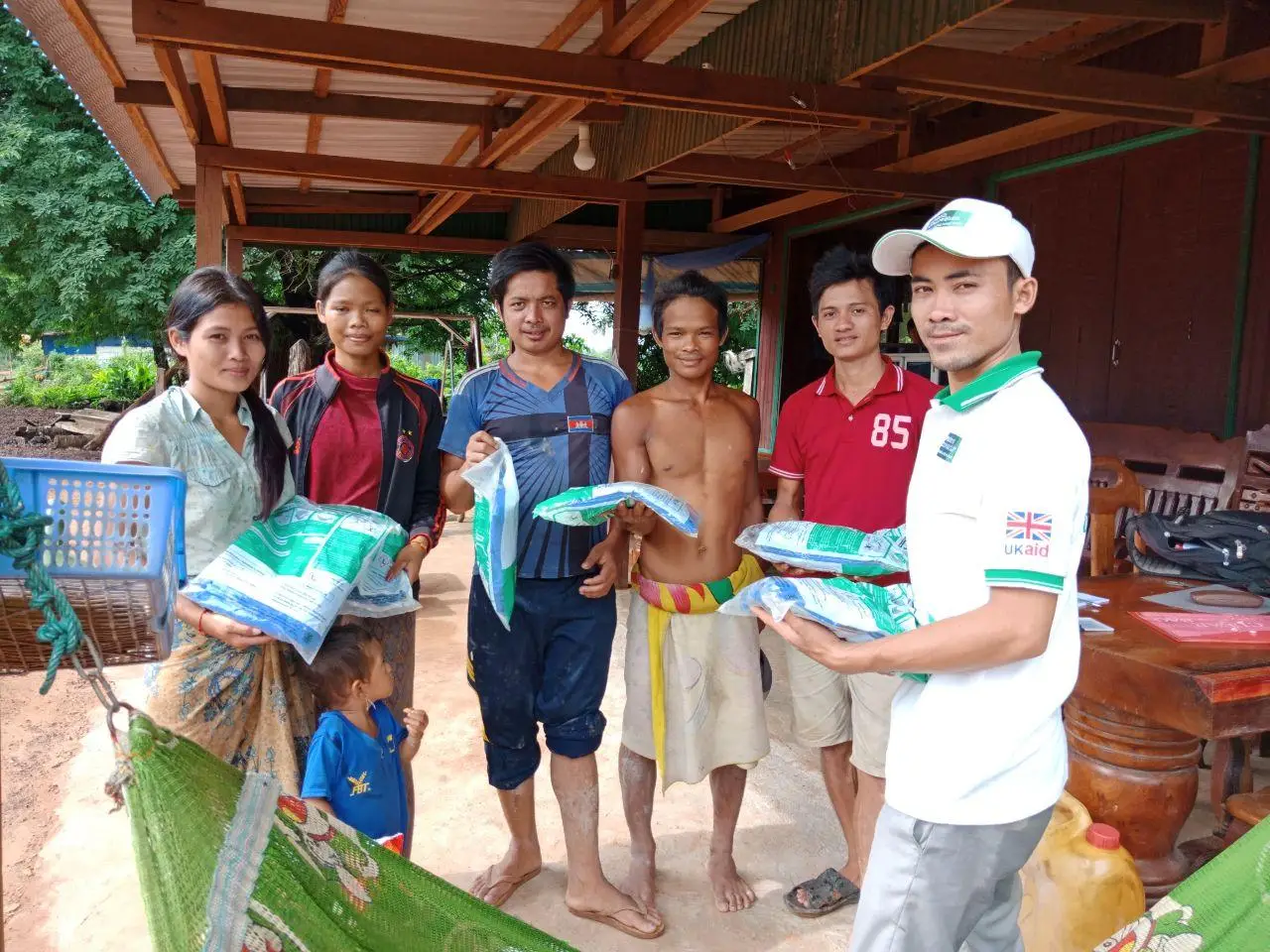
Eliminating malaria in the Greater Mekong Subregion
Around 15 years ago, worrying news from Asia made international headlines. There was evidence that new strains of the malaria parasite were developing resistance to artemisinin-derivatives. Used in…
-

The spectre of rising mosquito-borne urban disease
According to the United Nations, since 2007, more people globally are now living in cities than at any other time in history. In Africa, projections show that by 2030 the urban population will rise…


