

How South Sudan is staying ahead of drug resistance
by Malaria Consortium South Sudan
Approx reading time:
Malaria remains a major public health issue in South Sudan, with the disease accounting for over 38 percent of outpatient visits and around 64 percent of inpatient deaths in 2025. As antimalarial drug resistance continues to emerge across East Africa, there is a growing concern that the malaria burden could increase if resistance spreads further and undermines the effectiveness of existing prevention and treatment drugs, including artemisinin-based combination therapies (ACTs).
ACTs act as the first-line treatment for uncomplicated malaria, made up of the powerful antimalarial compound artemisinin and a partner drug with complementary features. Resistance to artemisinin has been steadily spreading in parts of southeast Asia for more than 15 years and has more recently emerged in east Africa; a 2024 study documented cases of partial resistance among children hospitalised with complicated malaria in Uganda.
Molecular surveillance techniques can pinpoint specific genetic alterations linked with antimalarial drug resistance, playing a crucial role in detecting emerging resistance and ensuring that responses remain effective. As evidence evolves, the strategies we use to prevent, diagnose and treat malaria should evolve as well.
Malaria Consortium’s South Sudan team has been working closely with government and partners to strengthen the use of evidence in decision-making, including through convening stakeholders to interpret new findings and translate them into action.
Translating emerging evidence into policy
As part of these efforts, in early 2026, we shared new research findings from our ongoing Malaria Molecular Surveillance (MMS) project, implemented in partnership with the National Ministry of Health and the National Malaria Control Programme.
Our research revealed a concerning trend: drug and diagnostic resistance are emerging and evolving across South Sudan — with far-reaching implications for malaria case management, chemoprevention strategies, diagnostic accuracy and overall national malaria control efforts. As resistance patterns shift, the ability of the health system to respond quickly and effectively is becoming ever more critical. This is why evaluating evidence as it emerges is essential to ensuring that malaria strategies remain responsive and grounded in the realities of local transmission and health system capacity.
The dissemination meeting was held in March and was attended by key stakeholders including the Ministry of Health, the World Health Organization (WHO), UNICEF and various implementing partners, who echoed this sentiment, emphasising that early detection of resistance patterns is vital for informing timely policy shifts before resistance becomes widespread.
Dr Denis Mubiru, Malaria Consortium’s Country Director in South Sudan, noted that some of the results from this study have already been incorporated into the newly developed National Malaria Strategic Plan, reflecting South Sudan’s ongoing efforts to ensure that national policy is informed by the latest available evidence.
Malaria Consortium Principal Advisor Dr Jane Achan shared insights into diagnostic resistance trends under the MMS project. She highlighted the value of genomic data in detecting tiny changes in DNA that signal resistance is developing, and the importance of these data to guide programmatic decisions.
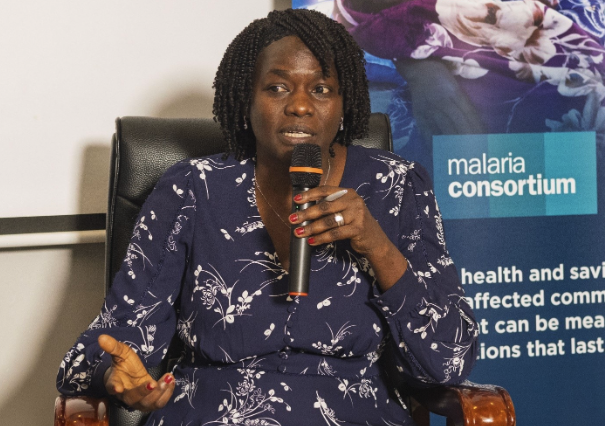
The discussions highlighted several priority actions. These included evaluating whether artesunate-amodiaquine — a highly-effective ACT used to treat uncomplicated malaria — remains an appropriate first-line treatment, expanding molecular surveillance to better understand how resistance varies across provinces, and strengthening monitoring of malaria parasite mutations that could affect the reliability of rapid diagnostic tests.
Co-designing locally led solutions for stronger surveillance
Building on this collaborative effort, we led a national consultative discussion and co‑design workshop in Juba in April, at a meeting convened by the National Malaria Control Programme. The workshop marked an important collective shift from identifying the problems relating to surveillance, to defining practical, locally owned and actionable solutions.
Malaria Consortium presented findings from a comprehensive national malaria surveillance desk review, which highlighted systemic gaps across routine health facility reporting, community-based surveillance, entomology, drug and insecticide resistance monitoring, private sector reporting and the use of surveillance data for decision-making.
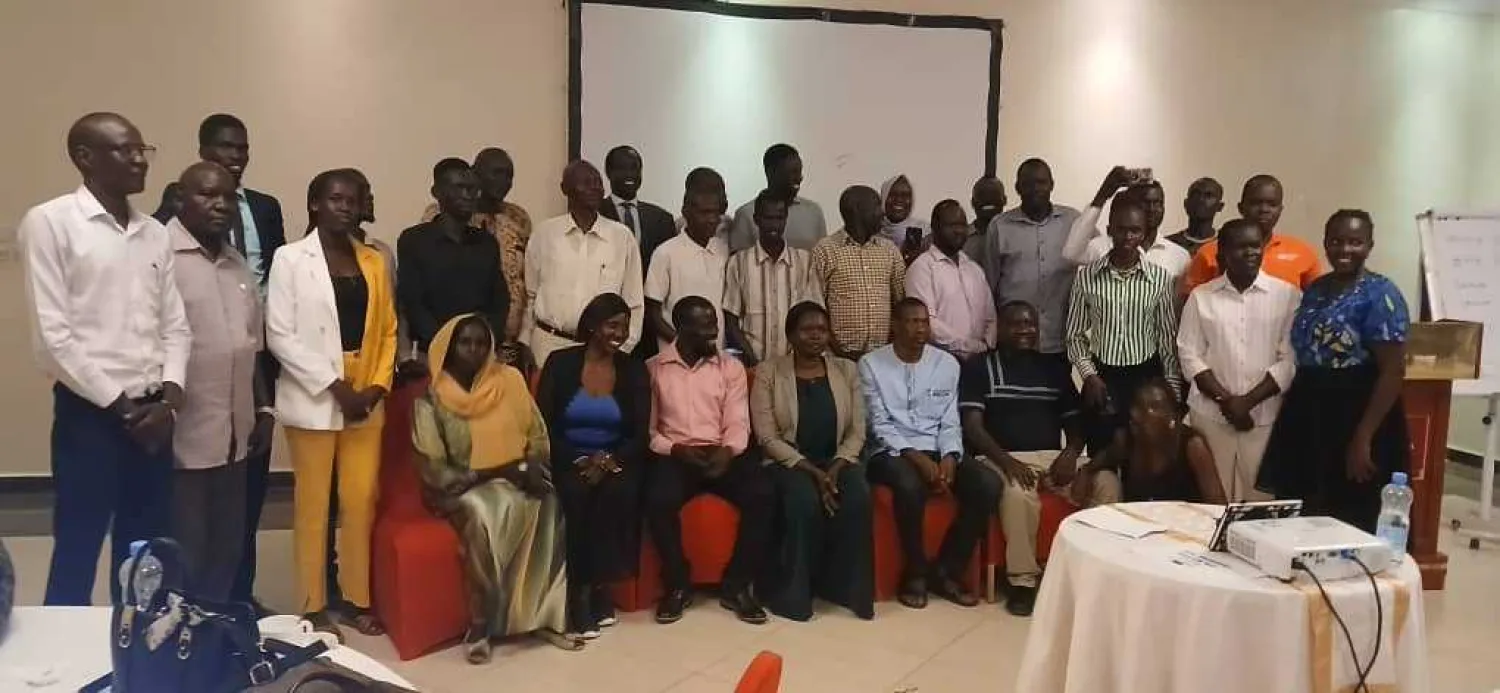
Attendees — including the National Public Health Institute, state surveillance officers, WHO, UNICEF, academia, private sector representatives and implementing partners — jointly reviewed the evidence and designed priority interventions for improving malaria surveillance. Using the End Output Tool enabled the group to prioritise feasible, high‑impact improvements to surveillance methods.
The workshop demonstrated how creating space for joint interpretation of evidence can help translate data into solutions that are both practical and locally owned.
Stronger surveillance means better decisions
Together, these efforts highlight a broader shift in how South Sudan is responding to emerging health challenges, reflecting the kind of multi-layered response that the current moment demands. From sharing new evidence on malaria resistance to co-designing solutions with national stakeholders, they highlight the importance of generating data for timely, context-specific decision-making.
The emergence of drug and diagnostic resistance is a challenge that cannot be addressed through isolated efforts. It requires sustained, coordinated action to generate, share and apply evidence as it evolves. Strengthening surveillance systems helps ensure that malaria control efforts can be responsive and effective in the face of emerging threats, ensuring better health outcomes for communities at risk.