Happy Feet: Accelerating control of podoconiosis in Ethiopia
Happy Feet: Accelerating control of podoconiosis in Ethiopia
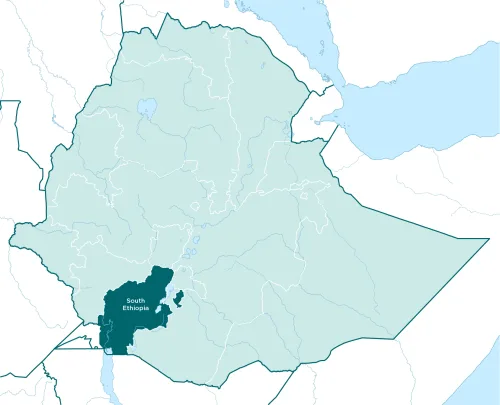
The Happy Feet project worked with underserved communities in malaria-endemic areas in South Ethiopia, strengthening community health systems to address chronic and neglected conditions. It aimed to accelerate control of podoconiosis through universal access to appropriate preventive and management health services in Sodo Zuria and Offa districts of Wolaita zone.
Objectives
Improve access to and quality of lymphoedema morbidity management, disability prevention and psychological support services
Improve awareness, care-seeking behaviour, shoe wearing and foot hygiene practices among podoconiosis patients and the wider community
Influence policy to improve access to affordable shoes for podoconiosis patients, school children and other at-risk groups including women and farmers
Support patients to empower themselves to improve their health, psychosocial wellbeing and economic status.
Outcomes and impact
Strengthened community health platforms throughout the project districts ensure improved access to, and quality of, lymphoedema morbidity management, disability prevention and psychological support services.
Enhanced podoconiosis awareness, care-seeking behaviour, shoe wearing and foot hygiene practices of the community and patients with podoconiosis as a result of evidence-based, targeted, multi-channel and gender-sensitive social and behaviour change (SBC) communications.
Policy influenced to improve access to shoes for patients with podoconiosis, school children, women and farmers living in podoconiosis-prevalent districts
Improved health, psychosocial wellbeing and economic status of podoconiosis patients, who now have ownership of their own health.
Key highlights
Strengthened early detection and a reduction in advanced cases by providing frontline podoconiosis healthcare
75 health workers at 11 health facilities, 102 health extension workers and 1,312 Health Development Army members trained
4,721 patients treated
3,504 pairs of customised shoes provided to patients
Over 2 million people reached with social and behaviour change strategies
92% of patients suffered fewer acute inflammatory attacks
>85% of patients experienced less discrimination
79% of household participants and 96% of patients changed their behaviour after receiving information on podoconiosis.
Achievements
Project health facilities now provide effective and sustainable lymphoedema management and disability prevention services
Before the project: lymphoedema morbidity management and disability prevention (LMMDP) services were not available in participating health centres.
Now: 11 health facilities are equipped and have trained staff to treat podoconiosis patients.
4,721 individuals with lymphoedema had received LMMDP services by the end of the project
Patients’ wellbeing has improved markedly as a result of the treatment and customised shoes. Many report a significant reduction in pain and flare-ups, improved mobility and fewer experiences of stigma. These changes have had a transformative effect — enabling women to participate more actively in their communities, return to work and carry out daily household responsibilities. As a result, they feel more independent, confident and empowered in their everyday lives.
Patients participating in an end-of-project focus group discussion reported a reduction in debilitating pain and improved physical mobility.
Podoconiosis patient, focus group discussion
Before I thought the pain would kill me […] But now, since I started washing and taking care of it, the fatigue and the burning heat have gone down. The burning has left me.
Podoconiosis patient, focus group discussion
I arrived here from my home within 25 minutes, before it would take more than an hour.
Podoconiosis patient, focus group discussion
Due to the educational efforts […] they came to understand that it is not inherited, so there is improvement seen.
Patients were able to fully take part in society following their physical recovery, including a woman who went from dropping out of school and being house-bound to getting married and having children, a man who is now able to work and provide for his family, and another woman whose children are now able to return to school as she can now work following her recovery.
Better psychological health led from improvements in physical health and social life:
It is like I have been set free.
Our satisfaction has increased; we are very happy. Because our leg is clean, and healthy […] we spend times with our friends; this also increased our happiness.
Over 85% of patients reported that the discrimination they faced in the last year had decreased compared to before
The project team organised capacity development activities for the health centres and health posts in the project districts, facilitating integration and initiation of LMMDP services. Activities included:
training for health workers on LMMDP
training of health extension workers on detection, referral and homecare management
provision of essential medical supplies and medicines.
Supportive supervision and mentoring at health facility level ensure high-quality LMMDP services. Transferring knowledge and skills to health workers and health extension workers through training and mentoring has ensured the availability of a pool of experts within government health facilities, promoting sustainability beyond the project's duration.
End-of-project evaluation results have revealed that all surveyed facilities are providing LMMDP services and have trained staff and the basic items needed to provide LMMDP services. Almost all of the Malaria Consortium-trained participants had managed a podoconiosis case, found this easy, and would feel confident enough to manage a case again, if alone in the health centre.
Provision of customised footwear has improved the health and wellbeing of podoconiosis patients
92.1% of patients have reported a reduction in acute inflammatory attacks
Customised shoes play a critical role in reducing lower-limb swelling, preventing acute inflammatory attacks, and protecting patients from recurrent infections. Beyond physical health benefits, the shoes enable beneficiaries to move freely without fear, restoring mobility and allowing individuals to work, socialise and participate in community life. The project has provided 3,504 pairs of customised shoes, each with two pairs of large-size socks.
When project staff visited 1,378 podoconiosis patients in their homes to assess the impact, they found high levels of adherence to shoe-wearing and reduced morbidity, which was reducing disability and improving the lives of people living with podoconiosis.
93.7% of patients were wearing their customised shoes when they were visited at home, and 91.4% wore them at the end of the study
Multi-channel social and behaviour change communication activities have increased awareness and reduced social stigma around podoconiosis
After receiving information on podoconiosis, 79% of household members and 96% of patients reported making a change to their behaviour
To improve awareness, care-seeking behaviour, shoe wearing and foot hygiene practices of community members and patients with podoconiosis, the project team implemented a range of targeted social and behaviour change (SBC) communication activities. This included airing key messages on local FM radio stations, putting up posters, mounting billboards, distributing homecare management leaflets and holding community conversations - structured group dialogues that bring together community members to raise awareness around podoconiosis and collaboratively shape solutions.
An end-of-project evaluation indicated significant improvements in knowledge, attitude and practices in the community. About 70 percent said they made a change related to stigma and 42 percent of household participants and 49 percent of patients said they made a change related to health seeking.
85% of household members and 94% of patients said they made a change related to shoe wearing
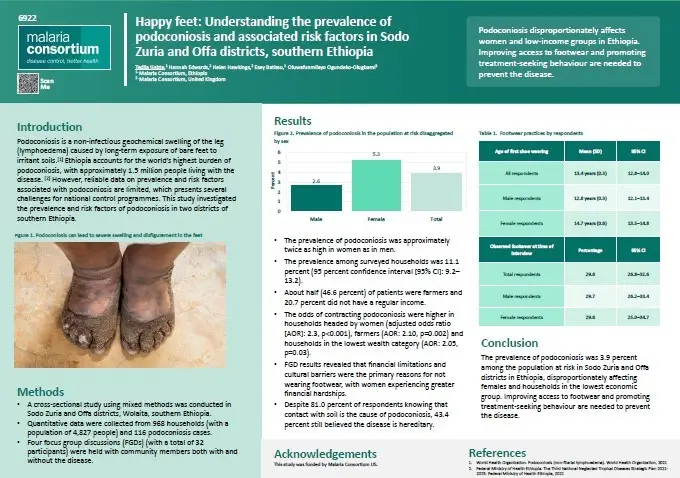
When people were asked about when they wore shoes, most wore them when they went to the market, attended funerals or went to church, but adherence to wearing shoes when doing farm or garden work was below 50 percent, indicating that focused SBC work is needed for people carrying out agricultural work and similar activities.
“I will teach people to go and use the service provided [...] Since the disease is in the soil, I will not let people, even children, go barefoot and will teach them to wear shoes. I learned from my life. And I am doing that.”
Background
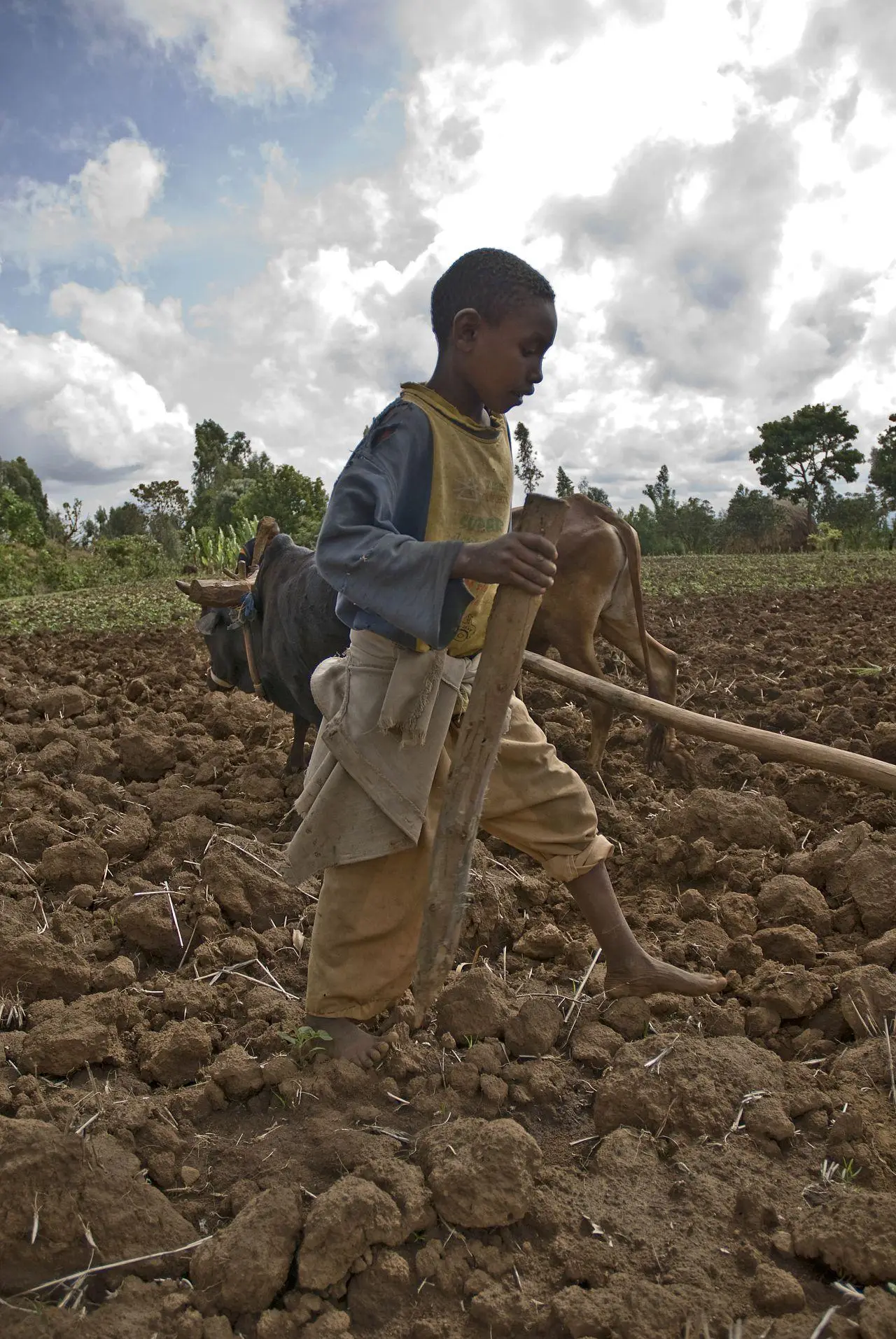
The Happy Feet project worked with communities in the malaria-endemic districts of Sodo Zuria and Offa in Wolaita Zone, South Ethiopia, to address barriers to basic healthcare for chronic and neglected conditions. The majority of people living in the project districts are farmers whose livelihoods depend on small-scale agriculture. Podoconiosis is a non-infectious disease that affects poor and marginalised people who lack access to footwear, exposing them to long-term contact with red clay soil of volcanic origins. A baseline study conducted through the Happy Feet project revealed that the prevalence of podoconiosis was 3.95 percent in the two project districts.
Of the estimated 4 million people affected by podoconiosis globally, Ethiopia bears more than 1.5 million cases1
Barriers to effective prevention and control of podoconiosis included:
poor community knowledge of the causes and prevention of podoconiosis
few people protecting their feet by wearing shoes
lack of foot hygiene practices
low quality and uptake of morbidity management and disability prevention services.
This project has enabled the initiation of lymphoedema morbidity management and disability prevention (LMMDP) services in the 11 health centres in the project area; these services were not there before the intervention of this project. As a result, 4,721 patients received LMMDP services across these facilities. The project has also implemented targeted, evidence based and multi-channel social behavioural change communication (SBCC) activities which has brought significant changes in the knowledge, attitude and practice of podoconiosis patients and the wider communities towards podoconiosis.
Key activities
Malaria Consortium collaborated with the Ministry of Health (MoH), local government and partner organisations, including the National Podoconiosis Action Network (NaPAN) and the Action on Podoconiosis and Integrated Development Organisation (APIDO), to implement the following project activities and interventions:
Building capacity of health centres and health posts
Health workers underwent training on lymphoedema morbidity management and disability prevention, psychosocial and economic rehabilitation, communication skills and podoconiosis-focused social and behavioural change communication (SBCC) messaging. Health extension workers took part in training on detection, referral, homecare management and community conversation.
Procuring and distributing essential medical supplies and medicines
To fill gaps identified during a health facility capacity assessment, we provided 11 health centres with essential medical supplies and medicines for routine lymphoedema management. In addition, project health centres received the items needed for physical examination, demonstration of foot washing and homecare, and treatment and recording tools.
Providing customised shoes for podoconiosis patients
Customised shoes play a critical role in reducing lower-limb swelling, preventing acute inflammatory attacks and protecting patients from recurrent infections. Beyond physical health benefits, shoes enable beneficiaries to move freely without fear, restoring mobility and allowing individuals to work, socialise and participate in community life. As podoconiosis is often associated with stigma and discrimination, improved disease management also contributes to better mental health, dignity and overall wellbeing.
Supporting supervision and mentoring
A joint supervisory team supervised and mentored health personnel at project health centres and selected health posts using specially developed checklists on a range of topics. The team checked podoconiosis service provision, availability of essential supplies and medicines at health centres and detection, referral and homecare management, and preventive activities at health posts. They recorded strengths, gaps and challenges, and gave feedback on the spot, followed by written reports for each health facility
Multi-channel social and behaviour change communication
Implementation of evidence-based, targeted multi-channel SBCC activities — including broadcasting announcements on local FM radio, mounting billboards in busy locations, distributing posters and homecare management leaflets — aimed to improve awareness, care-seeking behaviour, shoe wearing and foot hygiene practices among podoconiosis patients and within the community as a whole.
Influencing policy makers through advocacy activities
Using findings from a formative assessment on the views of policy makers, stakeholders and shoemakers, we developed an advocacy strategy to guide the planning and implementation of advocacy interventions to improve access to shoes for patients, children and at-risk community members.
Developing a guideline to support the set-up of patient associations
We developed a guideline for district health offices, health workers and health extension workers caring for people living with podoconiosis to support them in establishing and managing podoconiosis patient associations.
Conducting regular programme performance reviews
Programme performance review meetings took place three times per year with the relevant stakeholders in attendance. Attendees reviewed achievements, challenges and lessons learnt from each year of project implementation and agreed on the next steps. Action plans identified issues to be strengthened, recommendations to take forward and responsible bodies to take the actions.
Carrying out baseline and endline surveys
To evaluate project performance and provide evidence on which components of the intervention were most effective, surveys were carried out at the beginning and end of the project.
Next steps
Expand integrated lymphoedema care to additional areas and districts in Ethiopia, and further embed the existing services in the areas we are currently operating.
Launch a women-led footwear social enterprise, creating local jobs while ensuring sustainable access to protective footwear.
Integrate income generation and skills development within health programming, enabling women living with disability to regain financial independence.
Strengthen community advocacy and support networks to reduce stigma and empower women as leaders and changemakers within their communities.
Generate evidence for a scalable national model, enabling governments and partners to replicate this approach across endemic regions.
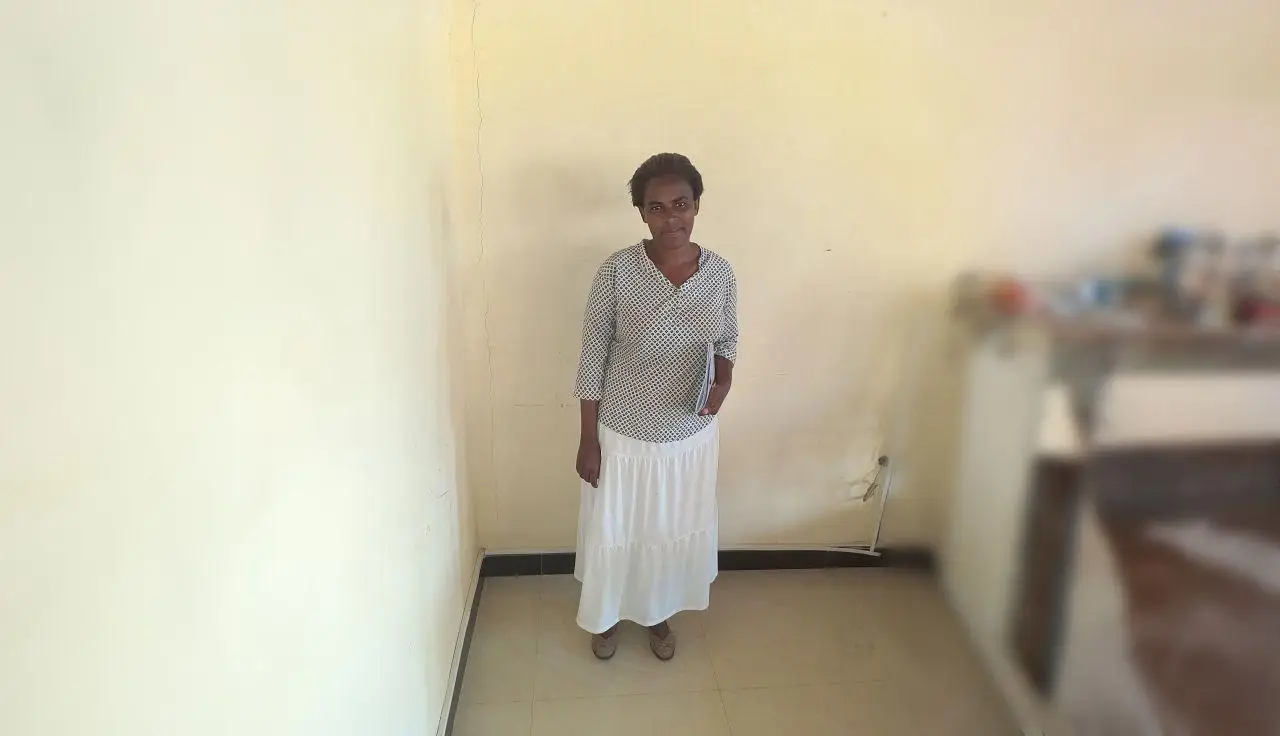
"Before taking training organised by Malaria Consortium, I had no information about podoconiosis. After training [...] we started referring patients to health centres per their schedule. Now, people who couldn’t walk are walking."
Reference
Deribe K, Negussu N, Newport MJ, Davey G, Turner HC. The health and economic burden of podoconiosis in Ethiopia. Transactions of the Royal Society of Tropical Medicine and Hygiene, 2020; 114: 284–292.