
Flood-linked locally led Intervention and outbreak warning for malaria in South Sudan (FLLOW-M)
The FLLOW-M project builds on Malaria Consortium’s previous activities in South Sudan to ensure the continuation of malaria prevention and other essential health services in flood-affected and displaced communities.
Project objectives
- Develop a preliminary intervention package designed to improve malaria management and access to health services during flooding
- Increase preparedness for malaria outbreaks through the development and operationalisation of a digital early detection system
- Implement a locally co-designed intervention package that demonstrates the potential to be effective in response to early warnings in similar flood-prone regions.
-
Outcomes and impact
Improved insights into the impact of extreme climate events on health and malaria. Greater knowledge of the
challenges facing flood-affected communities will support the development of locally generated, context-appropriate solutions to prevent and address the malaria burden and other health issues.Increased access to health services and improved malaria management during flooding, as a response to early
warnings. As extreme climate events intensify, this research project will seek to enhance South Sudan’s digital early warning system for malaria outbreaks in flood-prone communities. The early detection system will improve the preparedness of both communities and health systems to respond effectively to malaria outbreaks.The findings will be disseminated to inform future interventions and policies, impacting global practices and approaches to climate change, malaria preparedness and health care access.

Background
Malaria is endemic in South Sudan, with year-round transmission peaking from June to November.[1] It remains the leading cause of illness and death, accounting for an estimated 3 million cases and 6,700 deaths in 2024, with the greatest impact on children under five.[2]
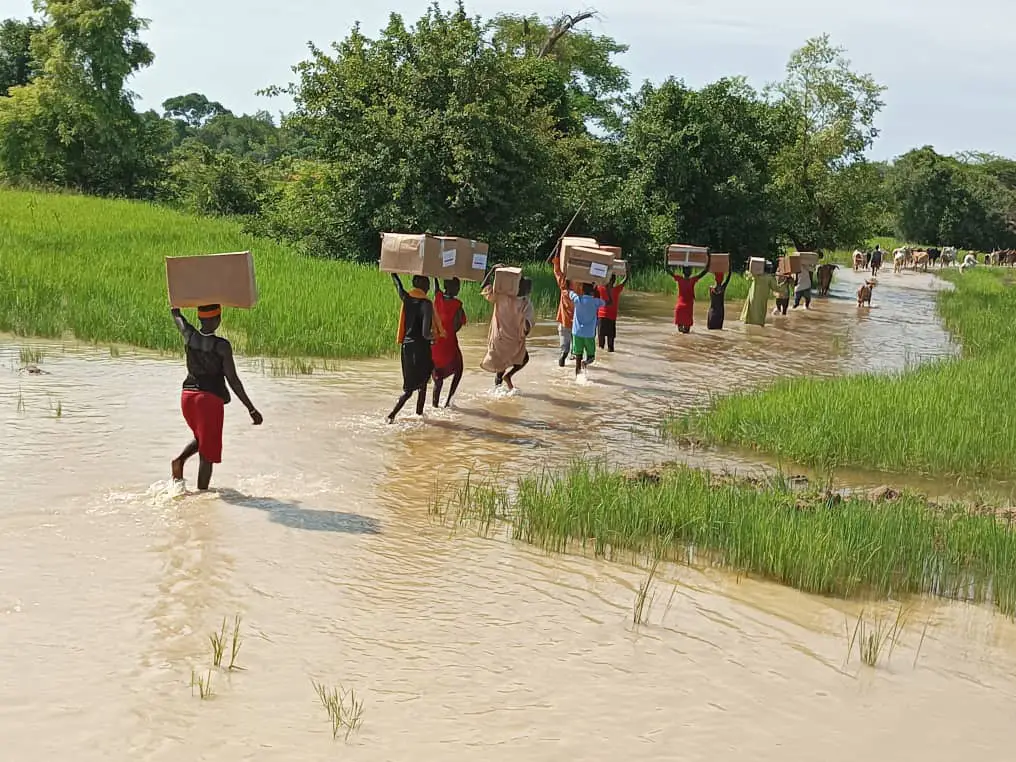
South Sudan is among the top five countries most vulnerable to the effects of climate change, with an increase in extreme weather events taking its toll on an already stretched health system.[3] A series of floods have affected the country in recent years with severe flooding in November 2024 affecting approximately 1.4 million people and leaving over 300,000 displaced.[4] The floods left 22 percent of health facilities nonfunctional and many others operating at significantly reduced capacity due to staff shortages, supply stock-outs and infrastructural damage.
In addition to severe disruptions to health services, which can result in delayed treatment and higher mortality, flooding creates ideal mosquito breeding grounds, leading to higher transmission of malaria and other communicable diseases like cholera and typhoid.[5] It can also have a detrimental impact on agriculture, exacerbating malnutrition, which remains a critical health concern in South Sudan.[6]
Project outline
In the face of growing climate challenges, this research and implementation project aims to increase outbreak preparedness to reduce excess malaria morbidity in flood-prone communities in South Sudan and improve access to essential health services. We hypothesise that enabling communities and the government to quickly detect malaria outbreaks by developing a digital early warning system using climate and health facility data, will lead to quicker responses and reduced malaria morbidity. A qualitative study will identify needs, coping strategies and community-led solutions during floods.
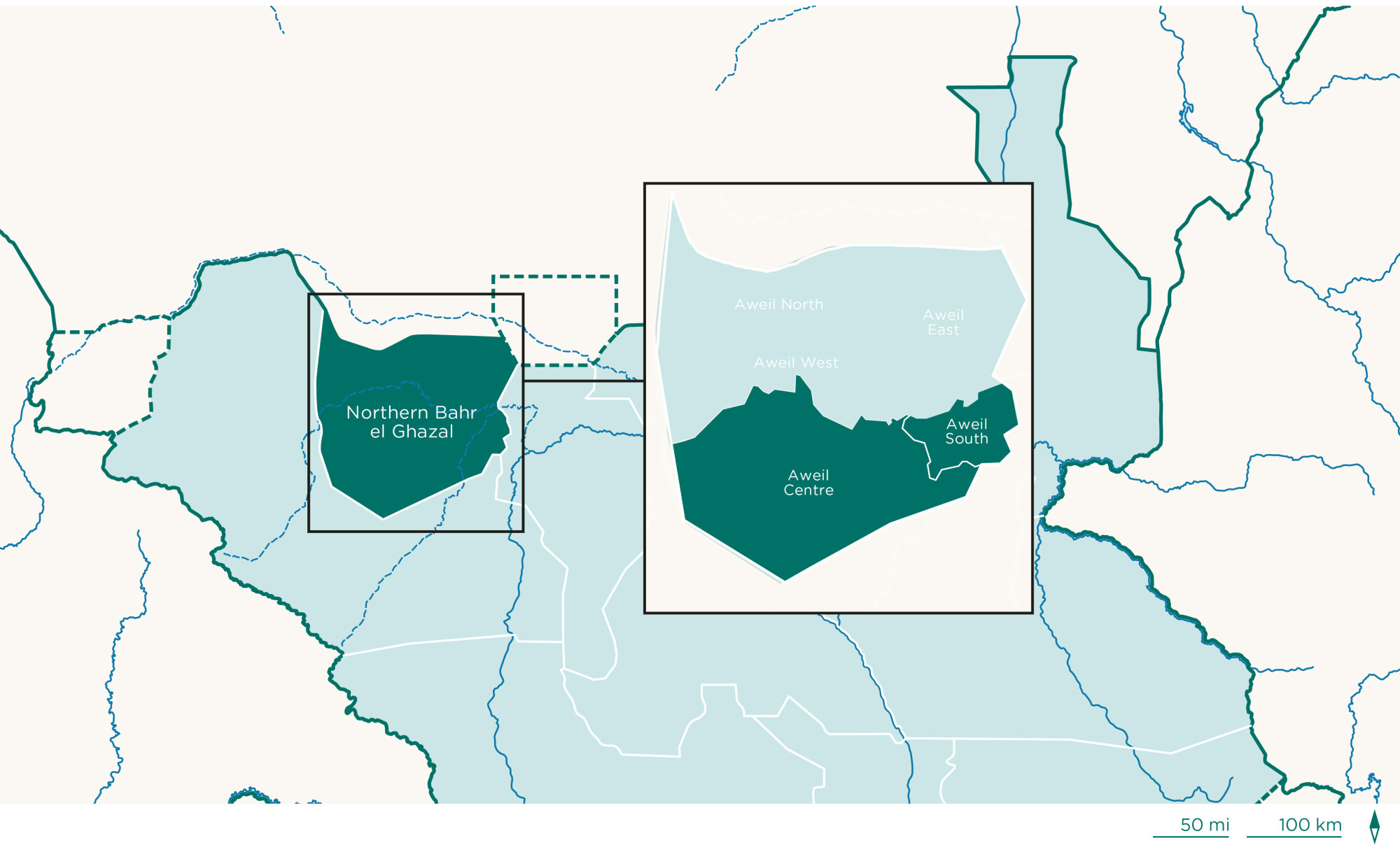
Locally driven solutions are key to ensuring a timely and effective response. The project is taking place in Aweil South and Aweil Centre, targeting populations of 145,840 and 277,666 people, respectively. Malaria Consortium supports several projects in the country, enabling the project team to draw on ongoing relationships with local partners and stakeholders, and leverage existing systems and structures to carry out the work. This means we can avoid duplicating efforts and can strengthen health systems to respond to emerging challenges such as flooding.
Activities
Malaria Consortium is conducting a formative assessment to identify the gaps, needs and coping mechanisms of communities and health facilities during flooding, as well as global best practices. A desk review will enable an
understanding of approaches and interventions to respond to climate change. Qualitative data will be gathered through focus group discussions with communities and key informant interviews with stakeholders. A co-design meeting with stakeholders will guide the development of an intervention package suitable for pilot testing. A malaria early outbreak detection system will be developed with stakeholders through participatory meetings and
workshops. A digital early warning system with different thresholds will be developed using historical malaria prevalence data adapted from the national health management information system and climate data. The system will be digitised for automated alerts and integrated into national systems.
References
1. Androga DA. A literature review about the impact of climate change on malaria in South Sudan. South Sudan Medical Journal, 2020;13(5):193–195.
2. World Health Organization. World malaria report 2025. Geneva: WHO; 2025.
3. United Nations Office for the Coordination of Humanitarian Affairs (UNOCHA). South Sudan: On the front line of climate change [accessed 20 January 2026]. UNOCHA; 2023.
4. UNOCHA. South Sudan: Floods snapshot (as of 8 November 2024) [accessed 20 January 2026]. UNOCHA; 2024.
5. Kenyi EE. Public health impacts and responses to floods. South Sudan Medical Journal. 2020;13(1).
6. Nutrition Cluster, UNICEF. South Sudan - 2025 Nutrition Advocacy Brief.
Countries