The Dr Sylvia Meek Scholarship for Entomology is now entering its sixth year. Established in 2016 to honour the impactful legacy of the late Dr Sylvia Meek, co-founder of Malaria Consortium, it empowers aspiring medical entomologists in Africa and Asia to kickstart their careers.
The call for applicants for this year's enrolment has begun. You can find details of how to apply here:
To date, 11 recipients have participated in the programme studying towards master's qualifications at Mahidol University; the University of Nigeria, Nsukka; and the University of Pretoria.
Globally, there is a shortage of medical entomologists. This poses a significant threat to malaria elimination efforts and the fight against other vector-borne diseases, potentially hindering progress and leaving populations susceptible to resurgent outbreaks. As these scholars progress in their scientific careers, they continue Dr Meek’s vision of enhancing public health research in communities with limited access to basic health services.
Read on to find out all about the impact of the scholarship on some of our scholars’ professional journeys.
Funmilayo Egunjobi
Country of origin: Nigeria
Studied at: University of Nigeria
"This life-changing scholarship has allowed me to confidently pursue my dreams, unlock my potential, ease financial burdens and focus on academic excellence. It is a true blessing and an honour."
Funmilayo graduated her master’s degree in 2019 and is now completing a PhD at Duke University, USA. Her research centres on a species of mosquito called Aedes aegypti, which spreads several dangerous diseases to humans, including dengue fever, yellow fever, chikungunya and Zika virus.
Mosquito control programmes often use chemicals called pyrethroids to kill these mosquitoes. However, over time, the mosquitoes have become less affected by these chemicals, making them harder to eliminate.
Funmilayo is studying why and how these mosquitoes have become resistant to pyrethroids. Her goal is to find better ways to manage these mosquitoes and reduce the spread of the diseases they carry across the world.


Kiattiyos Ruengthamchariya
Studied at: Mahidol University
Country of origin: Thailand
"It was an honour to receive this scholarship! The opportunity was key to helping me gain knowledge about insect-borne diseases found in hospitals."
Kiattiyos’ thesis analysed the spread of infectious diseases, the effectiveness of mosquito control methods, and the detection of arboviruses in Prachuap Khiri Khan, Thailand — an area where monkeys and people live closely together.
Since graduating with his master’s degree from Mahidol University in 2022, he has been working in a hospital as medical technologist.
Kondwani Kachali
Studying at: University of Pretoria
Country of origin: Malawi
"This scholarship has been pivotal in my career, enabling me to pursue my passion for medical entomology, bringing me closer to my goal of combatting vector-borne disease and improving public health."
Kondwani began her master’s degree in 2023, focusing on malaria-spreading Anopheles mosquitoes in an area where the disease is particularly prevalent. Kondwani’s research is investigating whether Anopheles mosquitoes are becoming resistant to the chemicals used to control their populations. She is also examining their genes to understand this resistance.
Additionally, she is studying which hosts the mosquitoes prefer to feed on. This information can help determine how likely the mosquitoes are to transmit malaria to humans. Kondwani’s work is important because it can lead to more effective vector control strategies, ultimately reducing the spread of malaria and the lives affected by it.
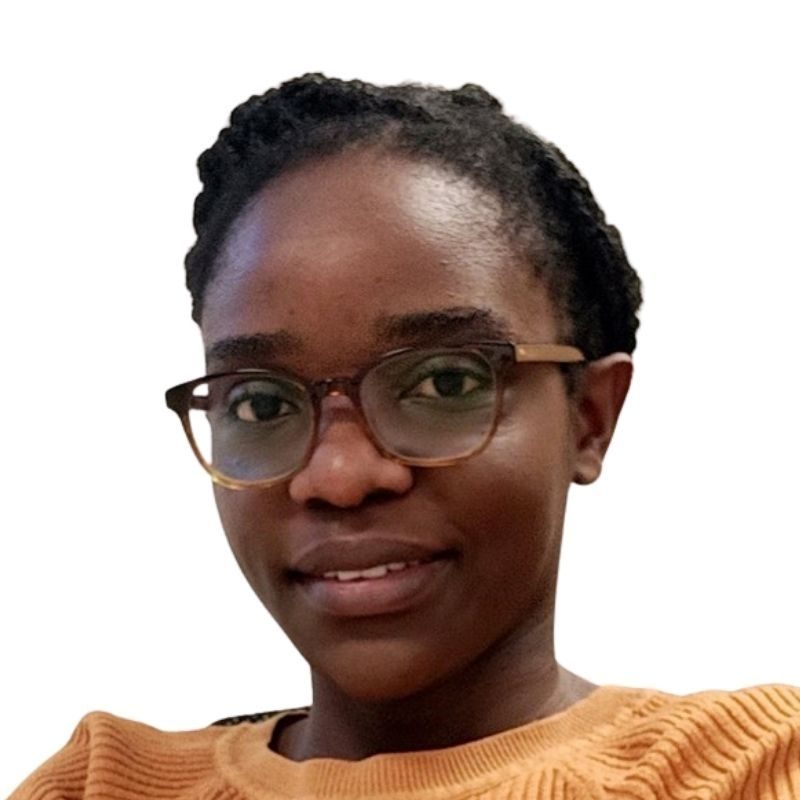

Muhammad Adnan
Studied at: Mahidol University
Country of origin: Pakistan
"This transformative scholarship has allowed me to pursue my academic and professional goals without the burden of financial constraints. It's opened doors to countless possibilities and enriched my journey immeasurably."
Adnan’s master’s degree allowed him to acquire practical knowledge relating to mosquitoes and their biology, testing repellents, working with artificial membranes (devices that replicate vertebrate hosts when feeding mosquitoes in a lab setting), identifying types of bacteria, and more. The knowledge he gained allowed him to secure a fully funded research position in Japan following his graduation in 2020.
Last year, Adnan was offered a research assistant role at the University of York, UK. At the same time, he was awarded prestigious PhD scholarships from both the University of Edinburgh in Scotland and KU Leuven in Belgium. These programmes focus on bioinformatics — using computers to study biology — and how viruses affect insects at a molecular level.
Somsanith Chonephetsarath
Studied at: Mahidol University
Country of origin: Laos
"The scholarship has allowed me to succeed in my goals and aspirations, helping me reach my fullest personal and professional potential."
Prior to the scholarship, Somsanith worked as a laboratory technician. After graduating in 2020, she began a role as a research engineer in the Medical Entomology laboratory, Institut Pasteur du Laos.
To date, she has been involved in many projects relating to mosquitoes, sandflies and ticks, with her work focusing on their pathogens — the microorganisms that vectors carry, which can spread disease to humans.


Supida Bamrungtrakulsuk
Studied at: Mahidol University
Country of origin: Thailand
"Being part if this amazing community is beyond my expectations. The scholarship has been a great opportunity to learn, share and help others."
Supida is the latest recipient of the Dr Meek Scholarship, starting her studies in August 2024 at Mahidol University.
Her research focuses on identifying mosquito and Plasmodium species — single-celled organisms that can cause malaria in vertebrates, including humans — using polymerase chain reaction (PCR) and DNA sequencing. Her research aims to determine the current Plasmodium species and their mosquito vectors in the study area. The findings will support local authorities and communities in implementing targeted malaria control measures
Vanheuang Phommadeechack
Studied at: Mahidol University
Country of origin: Laos
"The scholarship has given me the opportunity to complete my MSc and allowed me to pursue the career of my dreams."
After graduating from Mahidol University in 2024, Vanheuang returned to his home country of Laos to work as a research scientist.
Currently, he is writing to expand on the findings from his master’s project, which examined the effectiveness of a new method in the country for identifying ectoparasites — organisms that live on the skin or coat of their host, such as ticks or fleas — and for assessing pathogen prevalence and exposure risk. He plans to build on his master’s project to enhance the potential of the MALDI-TOF tool for identifying vector species in Laos.
He is also involved in general research on vector-borne and zoonotic disease surveillance, using molecular and next-generation sequencing approaches.

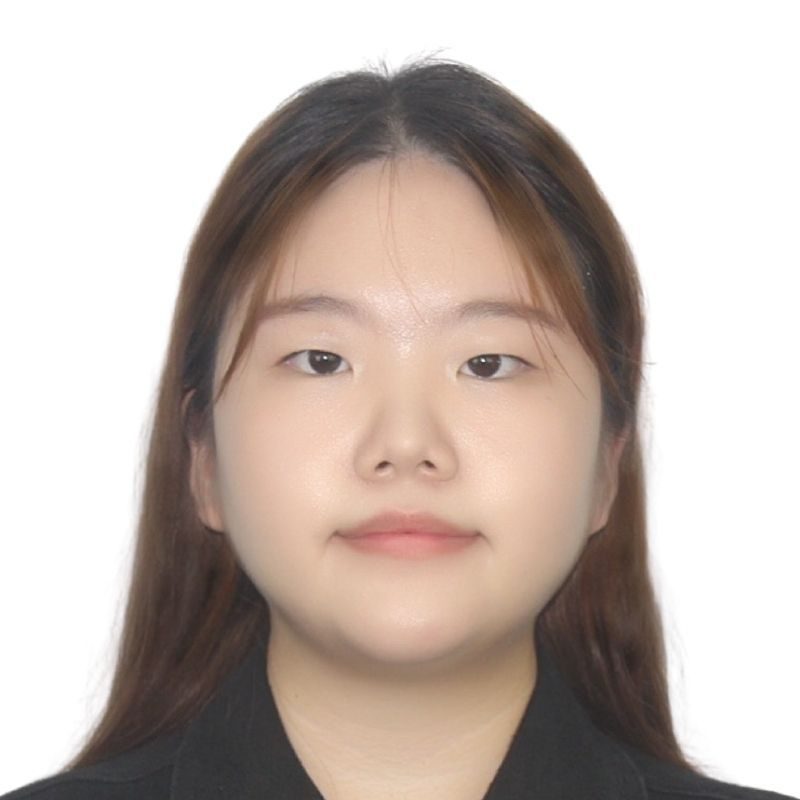
Viriya Unchaleevilawan
Studying at: Mahidol University
Country of origin: Thailand
"The Dr Sylvia Meek scholarship has been a huge step towards my pursuit of a career in the field of medical entomology — bringing me closer to realising my dream."
Viriya began her master’s programme in 2023 with a project focused on improving mosquito traps. Currently, the traps available in stores are quite expensive, making it difficult for people to use them regularly to catch mosquitoes, especially during the seasons when mosquito-borne diseases are most common.
She’s also studying where mosquitoes are distributed in an area and examining the organisms living inside the mosquitoes she catches. This information can help us better understand and control mosquito populations.
Wulan Aldillah Wulandhari
Studied at: Mahidol University
Country of origin: Indonesia
"This scholarship has enabled me to learn from the experts at the Faculty of Tropical Medicine, Mahidol University, pursue my dreams and open doors to opportunities in public health entomology."
Wulan completed her master’s degree in 2020 with a project focused on the vectors that carry scrub typhus disease in Bangkok. She identified two vector species of chigger mites that were collected from the ears of rodents in public parks.
She also carried out bacterial testing for Orientia tsutsugamush on chigger mites to understand the risk of scrub typhus infection in a metropolitan city population. Wulan used polymerase chain reaction — a technique that allows for the testing and study of small amounts of genetic material — to check the bacteria and further confirm the mites’ morphological identification. She published two articles in reputable international journals in 2021 and 2024 related to her thesis.
Since 2021, she has been working as a Technical Officer at Malaria Consortium. She is also the Coordinator for Asia Pacific Malaria Elimination Network (APMEN) Vector Control Working Group, where she manages several capacity-building activities such as webinars, conference meetings, hands-on training, and online courses for public health entomologists across the Asia Pacific region.