Nigeria
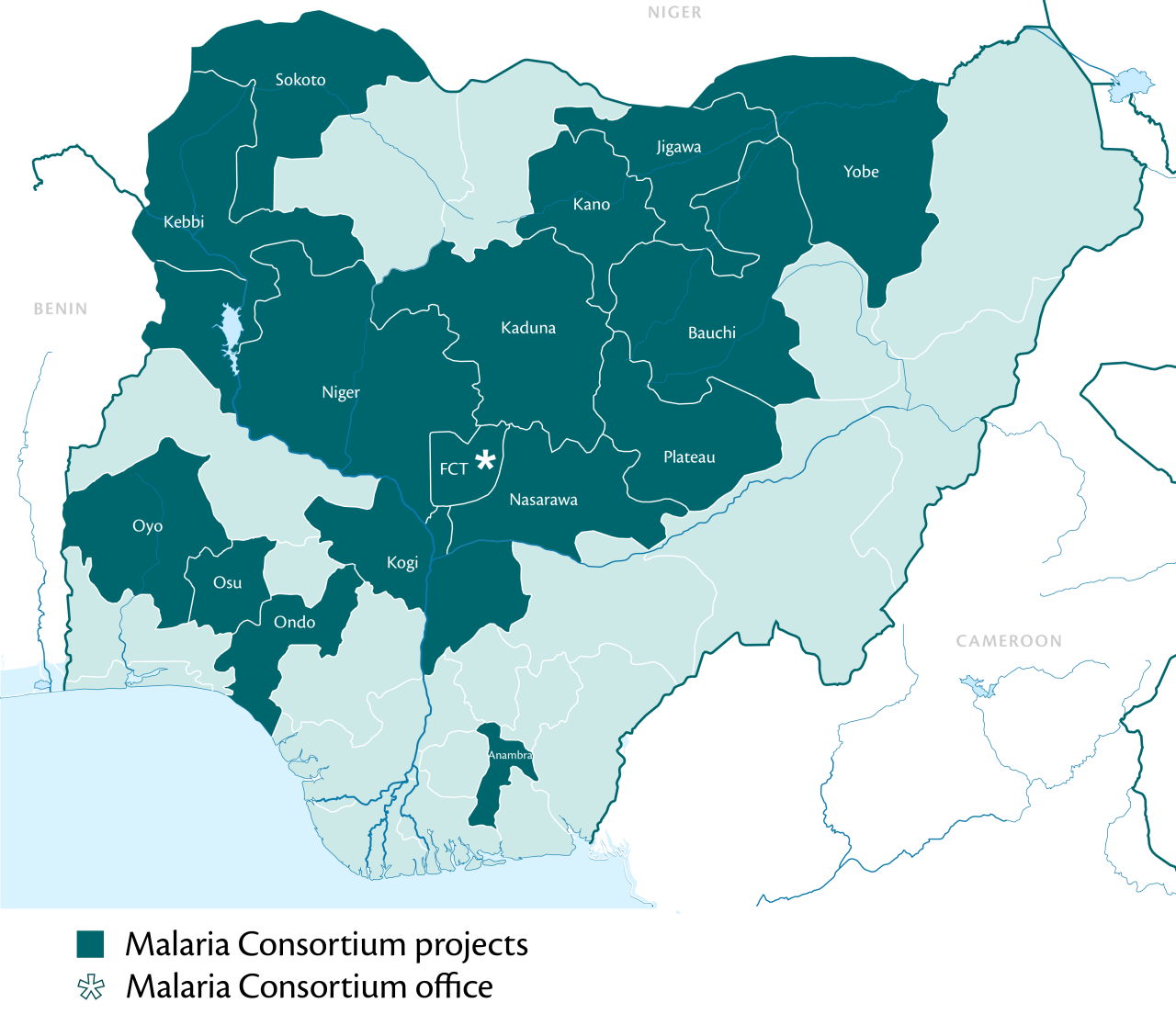
Malaria is one of the leading causes of death in Nigeria. According to the 2020 World Malaria Report, Nigeria accounts for 27 percent of malaria cases globally and 23 percent of deaths from the disease, 30 percent of admissions to Nigeria’s hospitals are as a result of malaria. In Nigeria, there is still insufficient data around health more widely, which impacts the amount of evidence available for decision-making. We support the National Malaria Elimination Programme to build capacity within the health system more broadly and support in the delivery of malaria interventions in the country.
Malaria Consortium in Nigeria
Malaria Consortium has been working in Nigeria since 2008, working in partnership with the Ministry of Health and other national, regional and global stakeholders to lead and support malaria control initiatives in the country.
In May 2015, Malaria and Public Health Nigeria (MPH-N) was registered as a non-governmental organisation under the Companies and Allied Matters Act 1990, becoming the Nigerian entity of Malaria Consortium and sharing the same mission to improve lives in Africa and Asia through sustainable, evidence-based programs that combat targeted diseases and promote universal health coverage.
MPH-N is funded by Malaria Consortium and other generous charitable donations from individuals and foundations to enable it implement programs in Nigeria and other countries to help reduce the burden of malaria and other treatable and preventable diseases in Africa and Asia.
Areas of focus
Related content
 Resource: Journal article
Published 30 March 2024
Receipt of seasonal malaria chemoprevention by age-ineligible children and associated factors in nine implementation states in Nigeria
 Page:
Page:About us
 News:
News:Published 6 March 2024
Global SMC community celebrates new milestone at SMC Alliance Annual Meeting in Nigeria
 Resource: Project brief
Published 27 February 2024
Severe malaria: Strengthening diagnosis and case management
 Page:
Page:Our third year as an Independent Research Organisation: Using research to respond to health inequities and emerging threats
 Blog:
Blog:Published 20 February 2024
Our third year as an Independent Research Organisation: Using research to respond to health inequities and emerging threats Page:
Dr Sylvia Meek scholarship for Entomology
 Resource: Journal article
Published 2 January 2024
Urban–rural differences in SMC coverage and characteristics of target populations in nine states of Nigeria
 Resource: Annual review
Published 2 January 2024
Trustee's report and financial statements for the year to 31 March 2023
 Page:
Page:The impact of Global Fund investment in fighting malaria
 Page:
Page:Top reads of 2023
 Blog:
Blog:Published 15 December 2023
Top reads of 2023
 Resource: Presentation
Published 5 December 2023
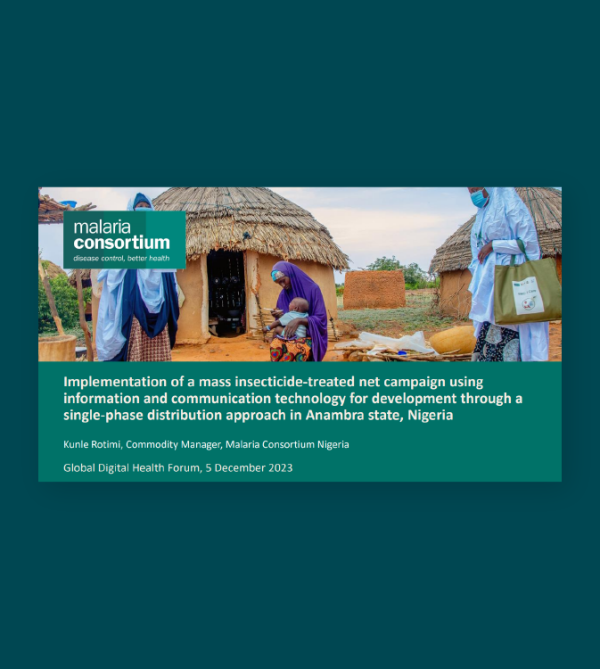
Implementation of a mass insecticide-treated net campaign using information and communication technology for development through a single-phase distribution approach in Anambra state, Nigeria
 Blog:
Blog:Published 27 November 2023
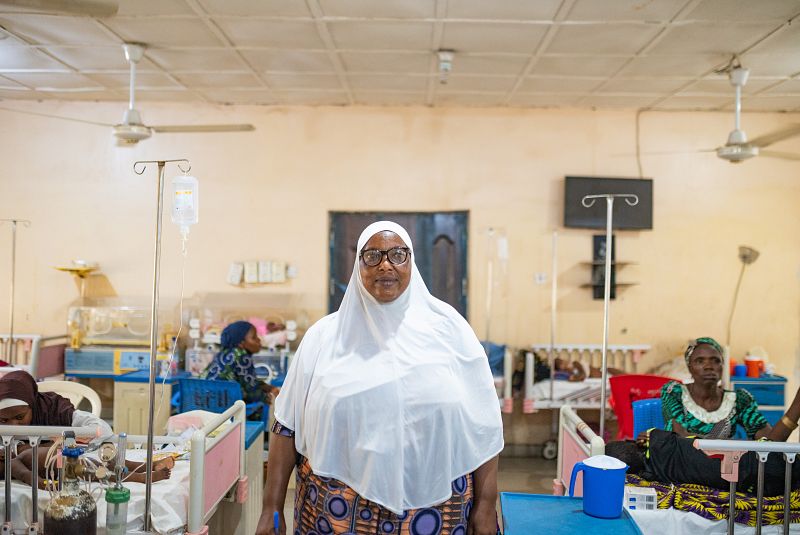
Mairo's mission to save lives: The matron improving outcomes for children with severe malaria
 News:
News:Published 27 November 2023
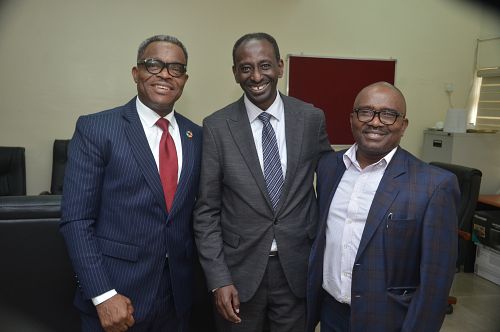
Nigeria welcomes Malaria Consortium’s Chief Executive on collective efforts for national health sector resilience
 Resource: Presentation
Published 21 October 2023
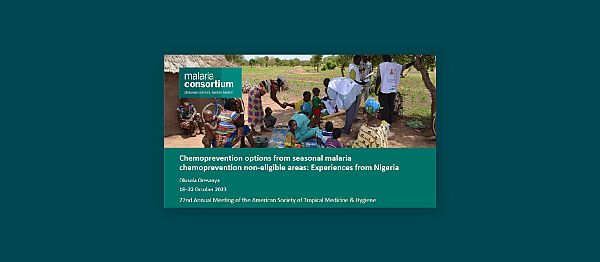
Chemoprevention options from seasonal malaria chemoprevention non-eligible areas: Experiences from Nigeria
 Resource: Poster
Published 20 October 2023
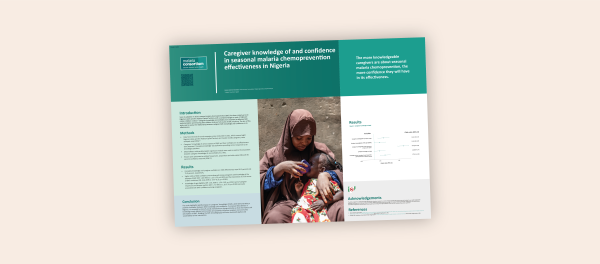
Caregiver knowledge and confidence in seasonal malaria chemoprevention effectiveness in Nigeria
 Resource: Poster
Published 20 October 2023
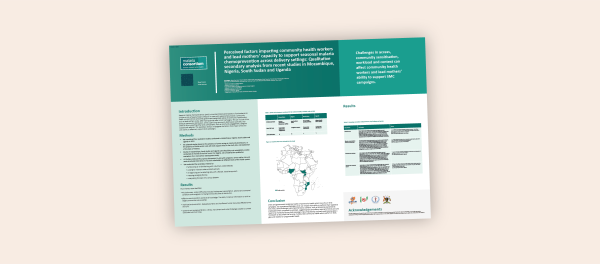
Perceived factors impacting community health workers and lead mothers’ capacity to support seasonal malaria chemoprevention across delivery settings: Qualitative secondary analysis from recent studies in Mozambique, Nigeria, South Sudan and Uganda
 Resource: Poster
Published 20 October 2023
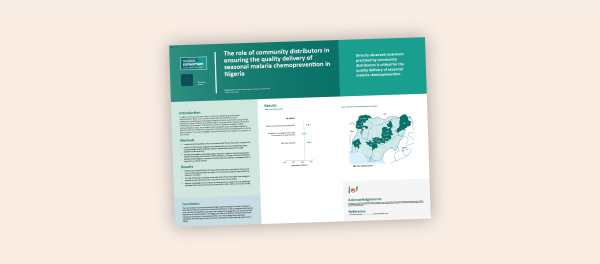
The role of community distributors in ensuring the quality delivery of seasonal malaria chemoprevention in Nigeria
 Resource: Presentation
Published 20 October 2023
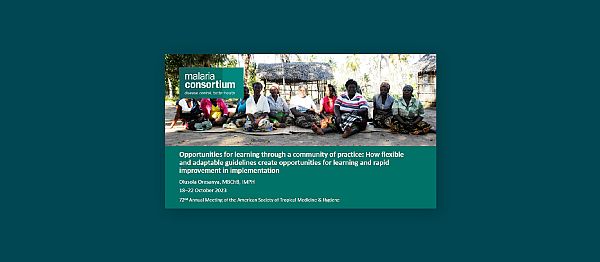
Opportunities for learning through a community of practice: How flexible and adaptable guidelines create opportunities for learning and rapid improvement in implementation
 Resource: Poster
Published 19 October 2023
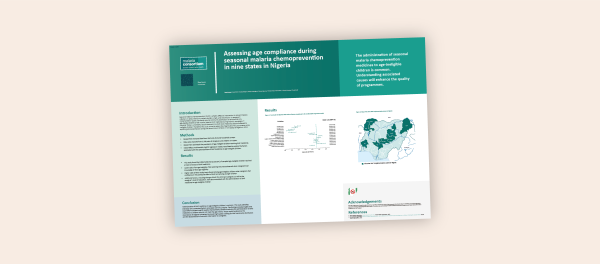
Assessing age compliance during seasonal malaria chemoprevention in nine states in Nigeria
 Resource: Annual review
Published 18 October 2023
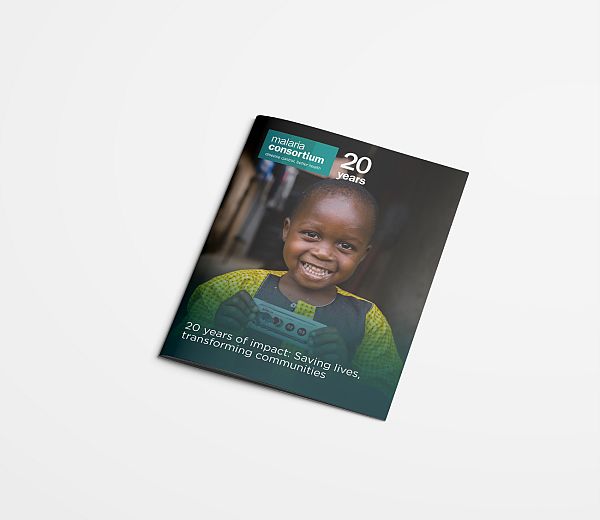
20 years of impact: Saving lives, transforming communities
 Page:
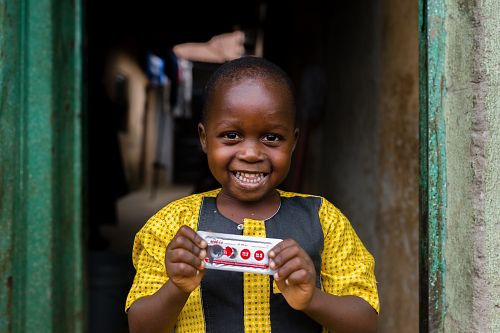
Page:20 years of impact: Saving lives, transforming communities
 News:
News:Published 2 October 2023
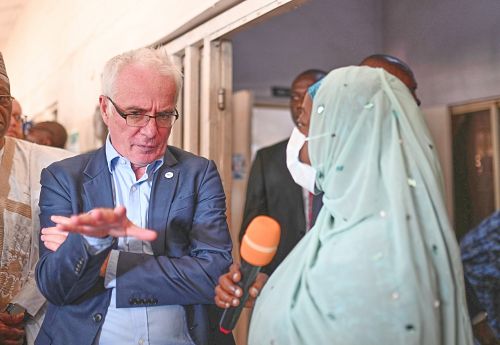
State visit shines international spotlight on Kano’s malaria response
 News:
News:Published 21 September 2023
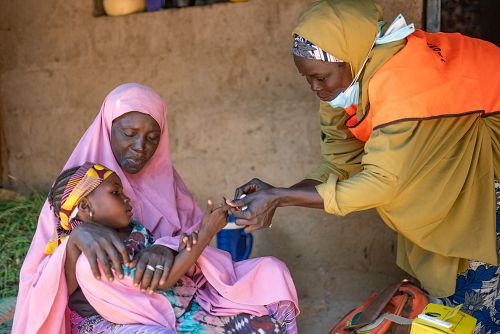
UN High level meeting puts spotlight on essential investments for universal health coverage
 Resource: Capacity statement
Published 20 September 2023
Integrated community case management
 Resource: Learning brief
Published 13 September 2023
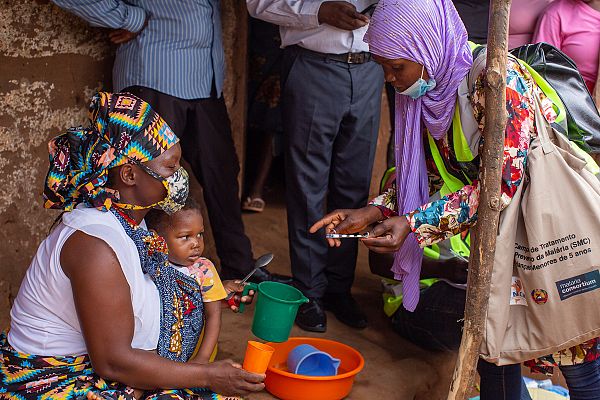
Supporting the scale-up of seasonal malaria chemoprevention in Mozambique
 Blog:
Blog:Published 16 August 2023
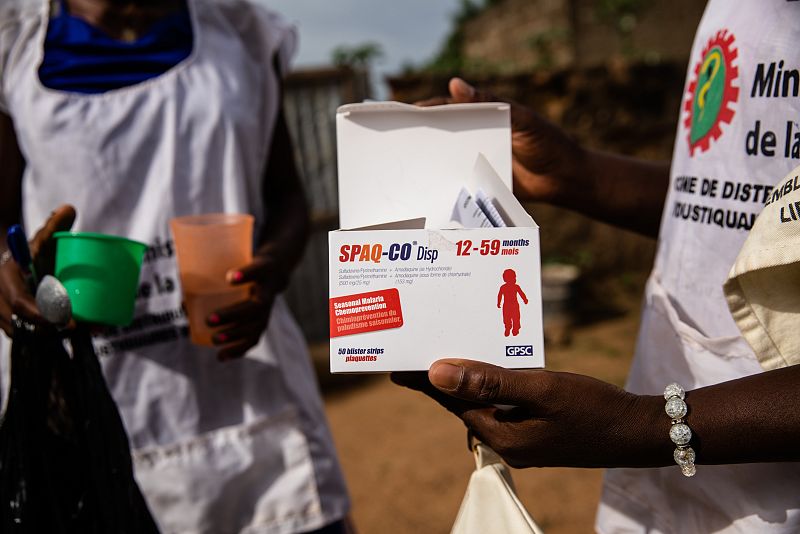
Distributing anti-malaria medicines to 24 million children: The supply chain step-by-step