Ethiopia
In Ethiopia, around 52 percent of the population lives in malaria risk areas; pneumonia remains the leading infectious cause of death among children under five; and the country has one of the highest neglected tropical disease burdens in Africa. The Southern Nations Nationalities and Peoples’ Region (SNNPR) has one of the highest malaria burdens in the country, accounting for 18 percent of total malaria cases reported nationally in 2019/2020. We work closely with the government to strengthen the health system, reduce the malaria burden and tackle poor child health indicators including pneumonia.
Malaria Consortium in Ethiopia
Malaria Consortium has been implementing projects in Ethiopia since 2004 from our offices in Addis Ababa and Hawassa, with a focus on the Oromia region and Southern Nations, Nationalities and Peoples’ region (SNNPR). We support the Ethiopian government in its efforts to tackle three major public health issues: malaria, neglected tropical diseases (NTDs) and poor child health indicators such as pneumonia and febrile illness.
Alongside our programmes, we have facilitated forums to coordinate stakeholders’ efforts and streamline the technical assistance provided to national and regional programmes through mechanisms including the Coalition Against Malaria in Ethiopia and the Malaria Control Support Team’s Technical Advisory Committee as well as undertaking pioneering research projects with the support of the Ethiopian Public Health Institute and others.
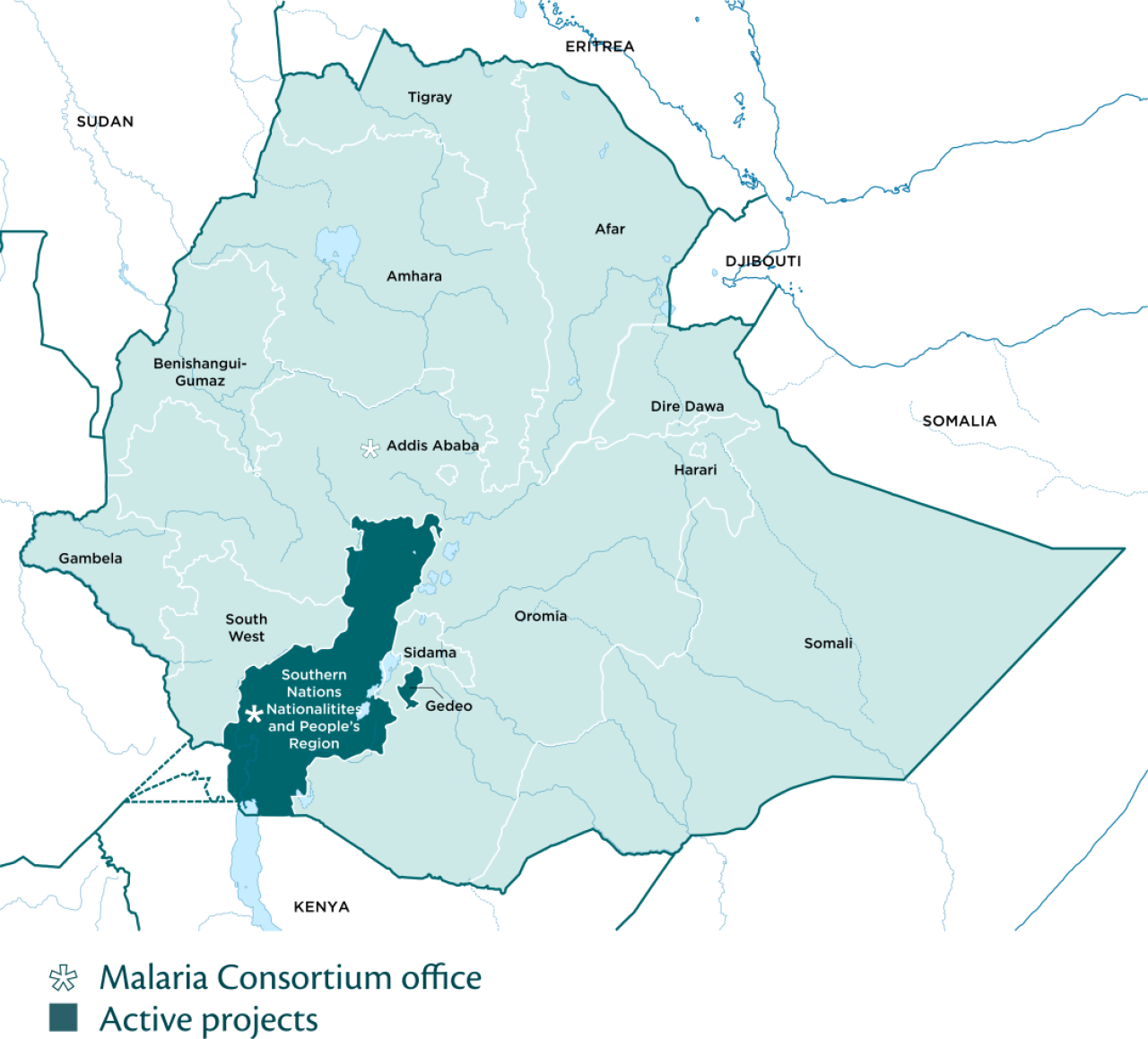
Areas of focus
Related content
World Malaria Day 2024
 Page:
Page:About us
 Blog:
Blog:Published 7 March 2024
International Women's Day 2024: Seven ways to make health programmes gender intentional
 Page:
Page:International Women's Day 2024: Seven ways to make health programmes gender intentional
 Page:
Page:Our third year as an Independent Research Organisation: Using research to respond to health inequities and emerging threats
 Blog:
Blog:Published 20 February 2024
Our third year as an Independent Research Organisation: Using research to respond to health inequities and emerging threats
 News:
News:Published 13 February 2024
Scaling up key interventions could halve pneumonia-related childhood mortality
 Page:
Page:International Day of Women and Girls in Science 2024
 Blog:
Blog:Published 29 January 2024
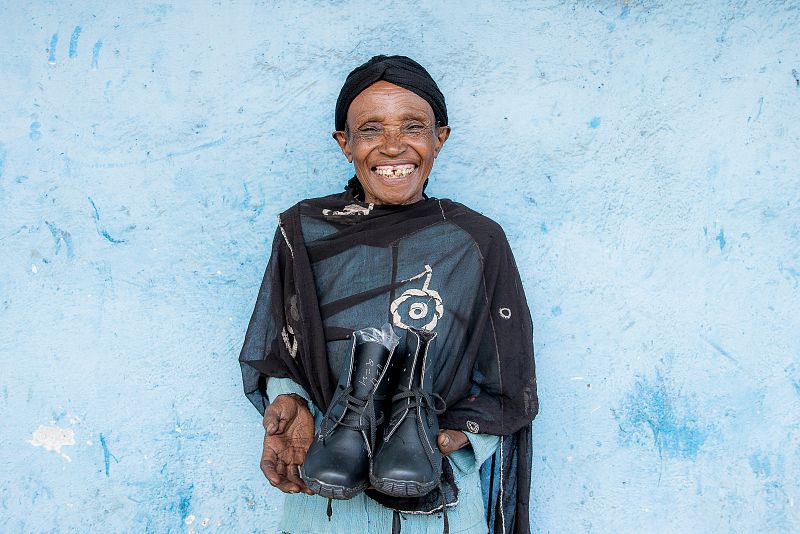
Psychosocial and economic rehabilitation training essential to improve wellbeing for patients with podoconiosis
 Resource: Learning brief
Published 29 January 2024
Happy Feet: Initiating and integrating low-cost podoconiosis and lymphoedema management services in primary healthcare
 Resource: Journal article
Published 12 January 2024
Predicting the potential impact of scaling up four pneumonia interventions on under-five pneumonia mortality
 Resource: Annual review
Published 2 January 2024
Trustee's report and financial statements for the year to 31 March 2023
 Page:
Page:Top reads of 2023
 Blog:
Blog:Published 15 December 2023
Top reads of 2023 Page:
Capacity statement: Ethiopia
 Blog:
Blog:Published 9 November 2023
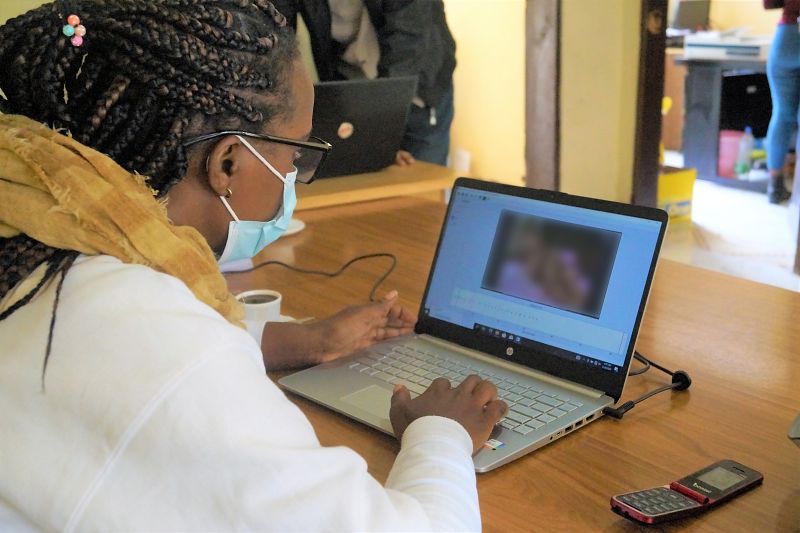
Artificial intelligence among innovations supporting improved pneumonia diagnosis
 Resource: Advocacy brief
Published 31 October 2023
From steps to solutions: Advancing podoconiosis prevention and control in Ethiopia
 Resource: Annual review
Published 18 October 2023
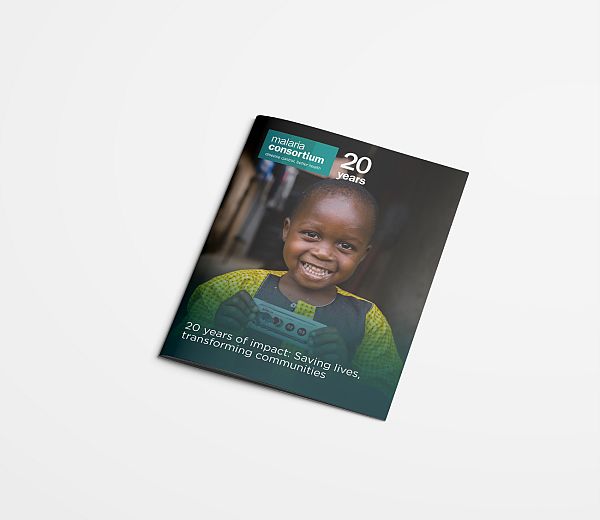
20 years of impact: Saving lives, transforming communities
 Page:
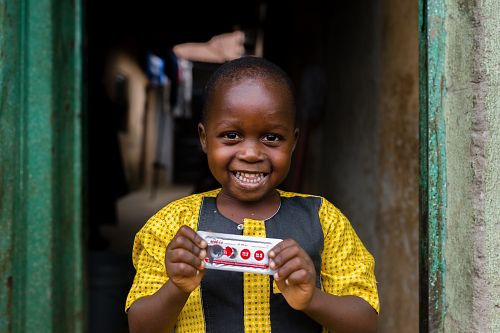
Page:20 years of impact: Saving lives, transforming communities
 Resource: Technical brief
Published 21 September 2023
Paving the way for universal health coverage
 Resource: Capacity statement
Published 20 September 2023
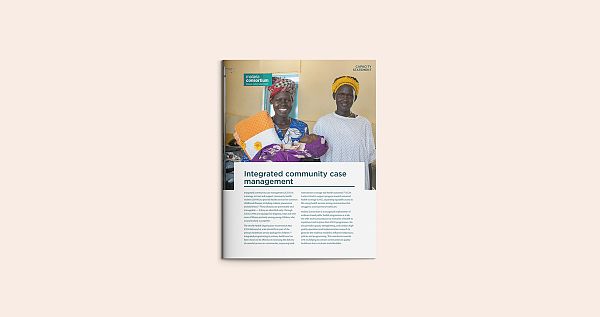
Integrated community case management
 News:
News:Published 18 September 2023
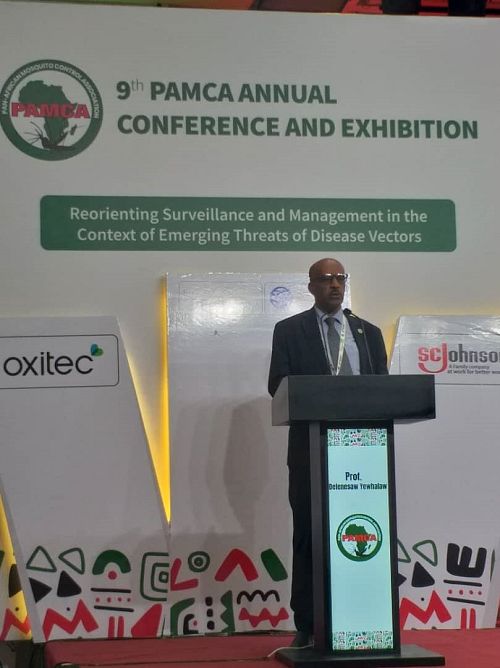
African-led vector control solutions in the context of emerging threats
 Resource: Journal article
Published 21 July 2023
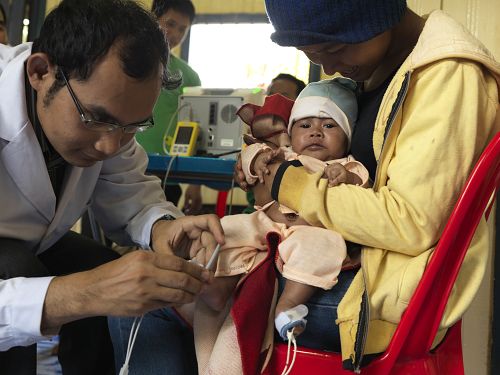
Usability of pulse oximeters used by community health and primary care workers as screening tools for severe illness in children under five in low resource settings
 News:
News:Published 18 July 2023
Thousands more children will survive by increasing access to pulse oximetry
 Resource: Capacity statement
Published 14 July 2023
Malaria Consortium Ethiopia Page:
Prioritising the pneumonia and diarrhoea agenda in Ethiopia: Strengthening strategies for child survival Project:
Published 1 July 2023
Reducing malaria burden among seasonal mobile workers through innovative approaches in the Amhara Region
 News:
News:Published 13 June 2023
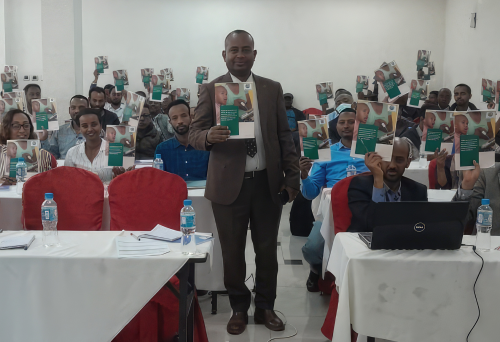
Ethiopia marks another milestone in its pneumonia and diarrhoea reduction plans